A NZ$3.69 "meditative" crypto-trading toy with no fail state, no complex interface and pleasant background music, whose tiny nine-review corpus is entirely positive but includes at least one review that openly admits to being posted to support the developer's family.
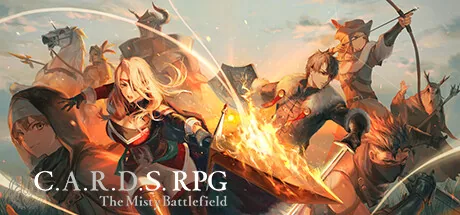
A Kickstarter-backed, Hades-inspired real-time-with-pause tactical RPG whose combo-driven combat and dark academia art style earn genuine praise, undercut at launch by softlocking bugs, an unforgiving energy system, and dialogue-heavy base sections a real share of reviewers found hard to sit through.
A ten-minigame summer party collection from Japanese minigame specialist SAT-BOX, built around split-screen bouts with rocket fireworks, somen-noodle slides and mosquito swatting — checked on launch day against a Steam page that shows zero reviews and zero concurrent players.
A charming, cheap cat-run boba tea shop sim that earned a loyal following in its first five months of Early Access, then went quiet — no update since April 2023, no save mid-shift, and a growing pile of reviews from players who love what's there and are giving up waiting for the rest.
An Unreal Engine 5 tactical shooter built around a genuinely distinctive body-camera perspective, whose reputation was badly damaged by a November 2024 update that stripped out hard-earned cosmetic progress and replaced it with a cash shop — the single highest-voted review this library has found on any game, at nearly 4,000 votes.
An absurdist, story-first adventure from the cult studio behind Priest Simulator, whose devoted fans love its surreal comedy — but whose "simulation" store tags mislead buyers expecting real brewing-economy depth, and whose UI still lacks basic accessibility options years on.
A looter-shooter with genuinely well-regarded gunplay, undercut by severe, persistent PC performance problems and a real, extensively documented public-relations crisis in which Gearbox CEO Randy Pitchford spent days publicly dismissing player complaints — telling PC gamers to "code your own engine" and that "premium games are made for premium gamers" — turning a technical problem into what press outlets have called "the great Pitchford Twitter crashout of 2025."
A promising fusion of FTL, Slay the Spire and Into the Breach that entered Early Access in September 2024 and remains there today, with real balance and RNG-punishment complaints from deeply invested fans set against a genuinely active, recently restructured development push toward a 1.0 launch.
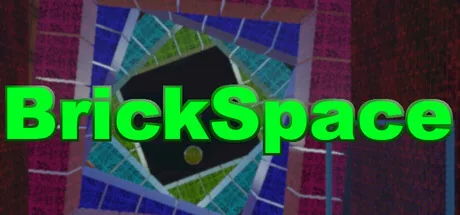
A solo-developer take on Breakout that swaps the usual flat 2D field for a first-person, zero-gravity paddle view across 32 fixed levels, backed by a sixteen-symbol power-up alphabet and a purely local high-score list. Released 5 August 2026 with no Steam achievements, no user reviews and no press coverage yet.
Andrew Gower's post-RuneScape MMO is a genuinely inventive skilling game trapped inside a world that emptied out within weeks of launch, and twenty months of steady patches still haven't fixed either problem.
A tactics-and-deckbuilding hybrid from Way of the Samurai developer ACQUIRE that launched with a genuinely broken design decision — one shared deck powering an entire mismatched squad — patched into something more coherent within days, though a premium price and additional paid character DLC still leave reviewers split on value.
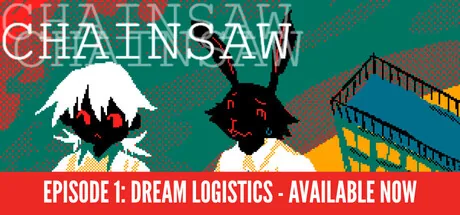
A moody, RPG Maker-style psychological horror RPG about a man, a chainsaw and a city that stops being safe — with striking presentation and a real-time-interrupt combat twist, undercut by roughly an hour of Episode 1 content, scattered balance and a store page that's still openly asking players for feedback on "the demo."
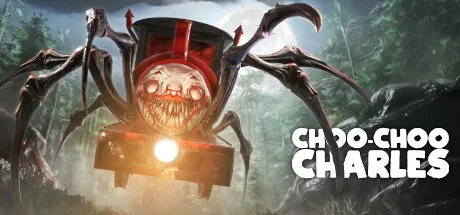
A viral solo-developer horror hit about upgrading a train to fight a monstrous spider train -- genuinely well-liked, and just as consistently criticised, on both sides of its score, for being over in about the time it takes to watch a movie.
A steampunk Darkest Dungeon-inspired tactical RPG whose gorgeous presentation and combat earn real praise, undercut by an irreversible, one-way progression path that repeatedly softlocks under-levelled players — a severe, specifically documented design flaw the developer never appears to have patched.
Colossal Order's sequel to the beloved city-builder launched into one of the genre's most severe, well-documented disasters — severe performance failures, a "fake" simulation several reviewers describe finding through direct testing, and a real CEO controversy over blaming the community for backlash. This review can confirm, via the developer's own communications, that Colossal Order and publisher Paradox split entirely in November 2025, with a new studio, Iceflake Studios, now credited by a real, growing share of reviewers with a genuine turnaround since taking over development in 2026.
\"Anime Dark Souls\" with one of the genre's best character creators — and a co-op mode reviewers say quietly withholds story progression from the non-host player, a specific complaint distinct from the usual difficulty grumbling.
A paid clicker-idle hybrid with a genuinely unusual leaderboard built around catching autoclicker use, backed by nine months of real content updates, undercut for some players by cosmetic pricing and a detection system that took public pressure to soften.
A WWII RTS that launched to a genuinely damning "sold as finished, played like early access" verdict from its own franchise veterans, still defended passionately by players with literally thousands of hours logged — and still, three years on, carrying one specific, unaddressed complaint both camps agree on.
An Early Access idle shop sim built to be ignored — it lives in the corner of your monitor, restocks its own shelves and asks for a glance every twenty minutes. Charming, three dollars, and currently carrying a save bug that can wipe a 76-hour store.
A Ukrainian studio's attempt to revive the 25-year-old Sea Dogs/Age of Pirates lineage is genuinely improving after two and a half years in Early Access — but its own achievement data shows most buyers still stop a few hours in.
A NZ$10.49 cosy pixel-art crafting sim from solo Turkish developer Musa Gungor, Mostly Positive across 56 reviews on the strength of genuinely attractive art and atmosphere, but with a real gap between the two audiences reading it — Turkish reviewers who already follow the developer's other games score it far higher than English-language newcomers, several of whom call it an overpriced, oversold idle clicker that most buyers, per Steam's own achievement data, never actually finish.
The formation-puzzle idle game that quietly wrote the rulebook Codename Entertainment later reused for Idle Champions of the Forgotten Realms — still free, still playable, and frozen in place since its last update in April 2022.
A cheap, three-week-old Early Access idle RPG built around the Chinese xianxia cultivation fantasy — Qi Refining, spirit fields, forging flying swords — patched almost daily by its small studio, and still rough enough that its own early players are split on whether the grind serves the theme or just gets in its way.
A Kickstarter-funded "ratoidvania" whose hand-drawn animation draws near-unanimous praise from the same reviewers who call its combat sluggish and unfair. Two years of free post-launch updates, including a new survival mode, show a developer that kept listening — the controls just never fully caught up to the art.