Idle RPGs, MMOs, browser games and mobile RPGs, taken apart properly. Every review carries a
score out of 10, what the game does well, what it does badly, and the kind of player it is actually for.
A score-attack FPS from the solo creator of cult classic Devil Daggers that a professional game designer called one of the decade's most significant releases — and that the developer's own store page warns can trigger photosensitive seizures.
A solo-developed Early Access idler about clicking your way from dirt and sticks to iron tools and beyond, sold with a self-aware "brutal grinder" pitch that mostly delivers -- but comes with a rough spreadsheet-style interface and a save wipe waiting at the 1.0 finish line.
A narrative-driven tactical RPG about an insurance adjuster who has to deny a claim and save the world, mixing Fire Emblem-style grid combat with a fully voiced dating-sim layer and a time-management system some players find liberating and others find punishing.
A six-month side story that began life as DLC for Infinite Wealth and still plays like one in places, following Kazuma Kiryu through his faked-death years under the alias Joryu. The brawling and the finale land; the padding in between and a price tag built for a longer game are the recurring complaints from its own audience.
A JRPG-flavoured roguelite auto-battler that pairs 3D diorama backdrops with pixel-art units and trait-based synergies, landing strong small-scale reviews for its combos even as players compare its interface unfavourably to the genre's biggest name.
A yandere-dating-sim premise that flips into psychological horror within its first minutes, and one of 2024's biggest indie viral hits — reviewed here with a specific, verifiable colorblind-accessibility gate its own community flagged, and a look at why a mostly-linear, five-hour game became a genre-defining moment anyway.
A genetics-driven frog-breeding sim from one half of the APICO team, built around discovering and cross-breeding dozens of frog species across a waking and a dreaming world -- beautifully drawn and warmly received, with real friction in its navigation, inventory and pacing that a year and a half of updates hasn't fully resolved.
A neon-pixel run-and-gun roguelite that wears its Binding of Isaac influence openly and well enough to earn Strong critical reviews and a Very Positive Steam score, though a real share of players say the grindy unlock structure and a shrinking item pool wear thin faster than the genre's best.
Nomada Studio's follow-up to the beloved GRIS is gorgeous by near-universal agreement and just as consistently marked down by its own fans for one specific addition — combat — that a majority of its detailed critics say undercuts the emotional, puzzle-led magic that made its predecessor a modern classic.
Team Ninja's samurai-era Souls-like pairs one of the deepest stance-based combat systems in the genre with a Diablo-style loot flood that a large, vocal share of its own fans say fights against everything the combat is trying to do -- a disagreement that hasn't moved in nine years of reviews.
A darkly satirical colony sim crossed with a first-person roguelite shooter, where you build a totalitarian regime and personally lead mechanised assaults against alien threats — a strong Early Access launch overshadowed for some players by the game's previous life as an NFT-funded project called Earth From Another Sun.
One of the finest metroidvanias in years, nearly universally loved on its own merits and just as consistently marked down by its own players for a mandatory Ubisoft Connect launcher — a friction so persistent it's still generating complaints in 2026, on a game whose acclaimed development team Ubisoft disbanded within weeks of release after a sequel was refused.
A falling-sand physics factory game — every grain, drop and spark is a simulated resource — that went into Early Access on 13 August 2026 to a near-unanimous reception, backed by Hooded Horse and pre-release press comparing it to Factorio, Terraria and Noita all at once.
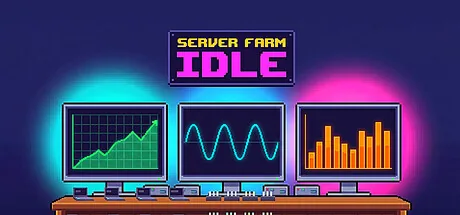
A solo-developer idle/incremental game about growing a server farm from a battered laptop to planet-scale compute — three genuinely distinct minigames, a finite Singularity ending that Steam's own achievement data shows a striking share of players actually reach, and no microtransactions or ads anywhere on a NZ$4.79 price tag.
Asymmetric's prohibition-era, Lovecraft-flavoured follow-up to the award-winning West of Loathing -- Overwhelmingly Positive on its own considerable merits, with a review sample so consistently framed against its beloved predecessor that "not quite West of Loathing" is practically this game's second title.
A solo developer's genuinely distinctive idle cafe that lives quietly on your taskbar while you work, doubling as a real productivity tool with a built-in Pomodoro timer and task list — warmly reviewed for its ambient jazz and hands-off charm, with minor rough edges around its tutorial and a couple of upgrade-gated features some reviewers feel should be free from the start.
A storybook-framed JRPG/CRPG hybrid about hunting an immensely powerful dragon, built around a genuinely deep character-building system that draws real praise — sitting at Very Positive on Steam, though this review's full read of its negative sample finds a persistent grind for build progression and a real handful of UI and crafting bugs underneath the praise.
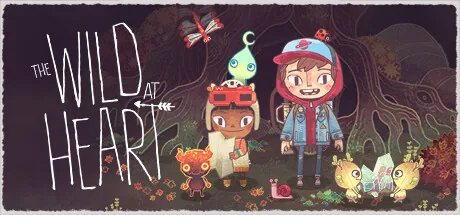
A charming, Pikmin-inspired storybook fantasy adventure about two runaway children commanding a herd of forest spirits -- Overwhelmingly Positive on Steam for its art and atmosphere, with a consistent, specific complaint that its combat and controls never match the genre giant it invites comparison to.
A mystery-investigation adventure game set in an oriental fantasy city of humans, dragons and anthropomorphic "beastlings," Very Positive across 154 English-language reviews for its writing and cast -- and consistently misjudged from its cover art, with reviewers repeatedly reassuring newcomers put off by the furry-adjacent character designs that there's nothing adult about it, just a slow-starting, dialogue-heavy story that most reviewers say pays off.
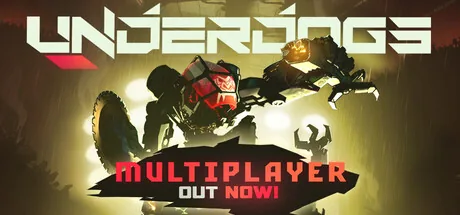
A VR-only mech-punching roguelite that reviewers routinely call one of the best physics games the headset has, praised for locomotion so smooth it solves VR's usual nausea problem — reviewed here as a genuinely mature release, since Steam's own patch history shows it's still being actively expanded two and a half years after launch, multiplayer included.
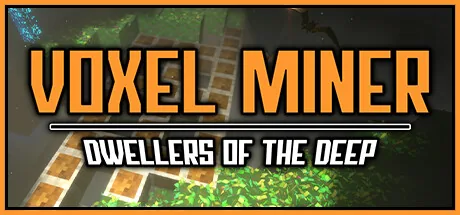
A solo developer's nearly two-year passion project, a procedurally-generated first-person voxel mining and exploration game with light AI-uprising narrative, released for NZ$1.49 in June 2023 with a perfect, if very small, positive review record.
A solo-developer chatroom-fishing game that turned into one of 2024's biggest indie surprises, sitting Overwhelmingly Positive across 70,000+ reviews — but a full read of its negative sample and Steam's own announcement feed shows a game whose developer has gone quiet since January 2025, leaving a well-documented lobby-security problem unresolved.
A surreal, Love-de-Lic-inspired adventure about a cursed intelligence bound to a corpse, helping a desert island's misfits across a game explicitly built around 24 replays -- one of the most positively received games this lane has covered (98.75%), with the tiny negative sample converging on a specific, real complaint about late-game grind and unclear puzzle guidance.
A roguelite beat 'em up from the Streets of Rage 4 team that critics and players both rate as one of 2025's genre highlights -- hand-drawn combat and worldbuilding that land almost universally, undercut by real multiplayer stability issues and a vocal minority who find its Hades-shaped meta-progression more familiar than fresh.