shapez
The 2020 game that started the shape-cutting automation genre, built by stripping Factorio down to logistics alone — no combat, no scarcity, no enemies. Cheap, historically important, and rougher than the sequel it spawned.
7.5 / 10
The Wanderer reading room
Idle RPGs, MMOs, browser games and mobile RPGs, taken apart properly. Every review carries a score out of 10, what the game does well, what it does badly, and the kind of player it is actually for.
The 2020 game that started the shape-cutting automation genre, built by stripping Factorio down to logistics alone — no combat, no scarcity, no enemies. Cheap, historically important, and rougher than the sequel it spawned.
7.5 / 10
A city builder that abandons the colonist as its unit of decision and manages a population instead — tens of thousands of citizens, an empire beyond the walls, and an interface that makes you earn every bit of that scale.
7.5 / 10
Eight fully voice-acted BioWare RPGs wearing an MMO's clothing, fifteen years on and still the best argument for that structure the genre has ever produced. Reviewed with Update 7.9 "Legacy Reborn" current and 8.0 on the public test server.
7.5 / 10
A NZ$10.29 fusion of time-loop adventure and idle incremental that has held a Very Positive Steam rating across four and a half years — not by avoiding friction, but by turning the loop's reset into the exact mechanism that makes idle progression permanent, while never fixing the one interface complaint players have repeated since launch week.
7 / 10
An open-world survival game that strips out weapons almost entirely and replaces them with an oxygen gauge, a sound cue you can't place, and a lot of very dark water. Eight years after full release, it's still the best argument that dread works better than a sword.
9 / 10
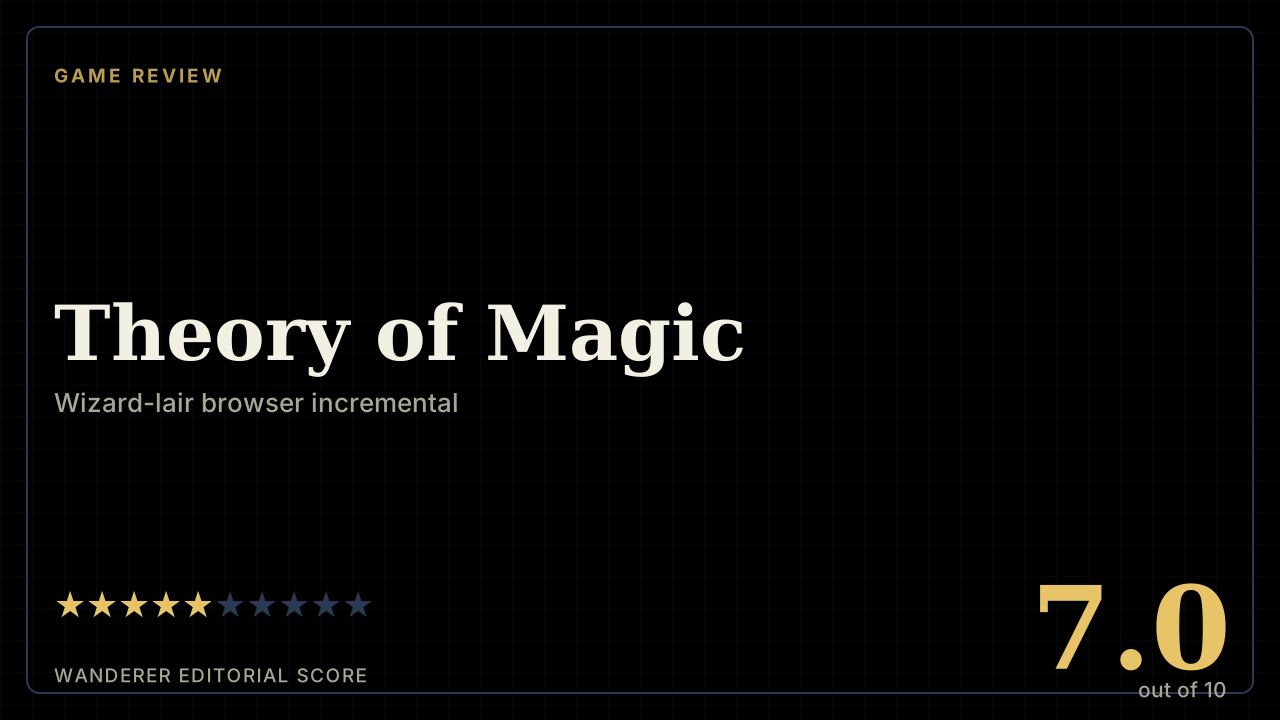
A free browser idle-RPG about running a wizard's lair that quietly became one of the genre's most influential designs, then got left behind by its own creator and kept alive since by a scattered handful of fans.
7 / 10
A city builder where the antagonist isn't a raid or a monster roster but a drought timer, and every dam, canal and reservoir you build is really an answer to a scheduling problem. Beavers are the theme; water is the game.
8 / 10
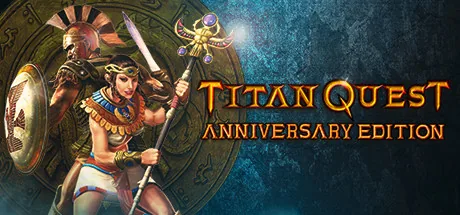
The 2006 Diablo alternative that swapped gothic horror for Greek, Egyptian and Asian mythology, revisited twenty years on through the Anniversary Edition that's now the only way to buy it.
7.5 / 10
A voxel survival sandbox that replaces Minecraft's tap-a-block-get-an-ingot logic with real material science — knapping, pit kilns, bloomeries and alloy ratios you actually have to measure — sold direct from the developer for one flat price with no storefront in between.
8.4 / 10
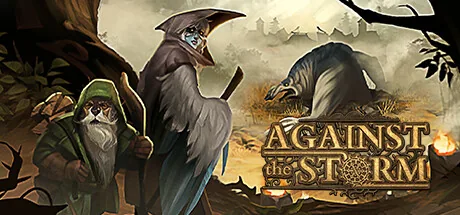
A city builder that refuses to let any settlement become permanent, banking what you learn into a roguelite meta-progression layer instead. It is one of the only games in its genre to treat the endgame as a design problem worth solving rather than a state to reach and stop.
8.5 / 10
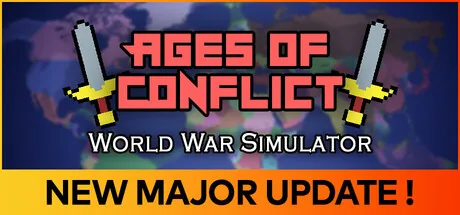
A hands-off map simulator where you paint borders, spawn AI-controlled nations and then watch them conquer, ally, revolt and collapse across thousands of simulated years. The scenario tools and Steam Workshop are genuinely excellent; the combat resolution underneath them is close to a coin flip, and that undercuts the "simulator" the title promises.
7 / 10
A party of the world's most useless heroes carries a fairly ordinary idle RPG through sheer force of writing, while its rewarded-video-ad economy is honest enough about what it's selling that the comparison to gacha idlers actually favours it.
7.5 / 10
A tower-defense puzzle wearing gacha-RPG clothes, where the placement grid matters more than the banner history — and where the sanity bar, not the wallet, is the thing actually managing your time.
8.5 / 10
A stamina-gated piggy-bank smasher that turns an anxious premise — debt collectors, deadlines, a hand that gets tired — into one of the tightest, funniest short incrementals on Steam, even if the skill tree runs out of ideas well before the hammer does.
8 / 10
A free ASCII-art browser game that opens on a candy counter and nothing else, then spends the next several hours quietly revealing a full RPG underneath — one of the genre's founding tricks, and still one of the hardest to pull off honestly.
7.5 / 10
Freehold Games' science-fantasy roguelike spent nine years in Steam Early Access before reaching 1.0 in December 2024, and what it built in that time is less a dungeon crawler than a character-building engine wrapped around a simulation that keeps generating outcomes nobody scripted. The reputation for impenetrability is earned. So is the one for depth.
8.8 / 10
A 16-bit-style JRPG built almost entirely by one developer over seven years, whose real achievement isn't the pixel art but a heat-gauge combat system that replaces MP attrition with active turn-by-turn risk management.
8 / 10
Sad Panda Studios' idle dating sim is a genuine time-blocking resource-allocation game wearing an anime pin-up costume, still shipping new characters and events after almost a decade — and still leaning on the same event-currency pressure its own players complain about.
7.5 / 10
A rune-socketed action roguelite where the world gets more dangerous the more of it you uncover — a genuinely inventive build system wrapped around a dodge that refuses to behave like the souls-likes it keeps getting compared to.
7.5 / 10
A spearfishing roguelite and a sushi restaurant manager share one save file, and the join is the best thing about it — what you catch by day is what you sell by night. The game just won't stop adding new systems on top of that, long after the core two have proven they didn't need the help.
8 / 10
Diablo III launched in 2012 with a real-money item market that quietly rewrote its own loot tables, then spent the next two years proving the fix was worth the wait. Fourteen years and thirty-nine seasons on, it's a cheap, complete, still-excellent action RPG stuck in maintenance mode — and still carrying an always-online rule it no longer has a reason for.
7.5 / 10
Rat Monthly's pocket-sized incremental has you excavating relics tile by tile and building a museum around them — a review of whether its two-to-three-hour runtime earns its Overwhelmingly Positive reputation, or just ends before the cracks show.
7.5 / 10
Meta Interaction's 2018 semi-idle RPG buries a genuinely deep itemization system — talent trees, enchanting, reforging, scrolls, gem sockets — under rough localization and RNG that can make its best ideas exhausting to reach.
7 / 10
An anime open-world action RPG that was built as a mobile gacha game, lost its publisher, won a legal fight to come back as a single-purchase Steam release, and still carries every scar of where it came from — for better and for worse.
7.2 / 10