The Wanderer reading room

Game Reviews

Idle RPGs, MMOs, browser games and mobile RPGs, taken apart properly. Every review carries a score out of 10, what the game does well, what it does badly, and the kind of player it is actually for.

Browse the reviews

Beastro

Timberline Studio's cozy chef sim ties its farming-and-cooking loop directly into a trick-taking deckbuilder — a review of whether feeding your adventurers is a real tactical decision or just a chore standing between you and the next card fight.

8 / 10
Reviewed

Read review of Beastro

Die in the Dungeon

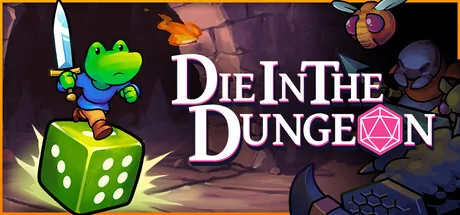
A dice-based deckbuilding roguelike that swaps Slay the Spire's card hand for a diamond grid of rollable dice, and mostly proves the swap was worth making — though a shorter campaign and some uneven early rewards keep it from the genre's very top tier.

8 / 10

Reviewed

Read review of Die in the Dungeon

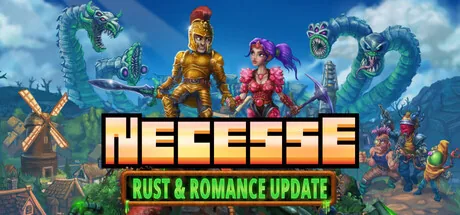
Necesse

A top-down sandbox RPG that spent six years in Early Access building the one system that actually separates it from the Terraria-likes around it — recruit settlers, hand them jobs, and your colony keeps working while you're off fighting something in a cave.

8 / 10

Reviewed

Read review of Necesse

Nodebuster

A three-to-four-hour premium incremental about harvesting nodes and defending against waves of invaders, built with a hard ending instead of an infinite number-go-up treadmill — and popular enough to spawn an entire micro-genre of imitators.

8 / 10

Reviewed

Read review of Nodebuster

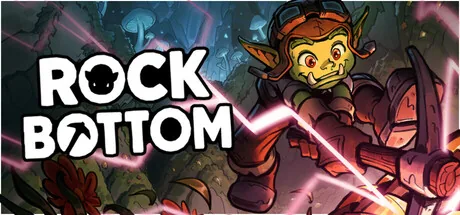
Rock Bottom

An incremental mining game that turns "swing the pickaxe" into a real progression system — eight hand-designed layers, a 150-node permanent skill tree, and a four-hour runtime that ends before the loop wears out its welcome.

8 / 10

Reviewed

Read review of Rock Bottom

Rubinite

Cup Dog Games' debut strips the Soulslike down to nothing but boss fights, built around a Focus-and-Mark system that turns every encounter into a duel over who blinks first — and then asks its best players to do the whole thing again without getting hit once.

8 / 10

Reviewed

Read review of Rubinite

Space Haven

A tile-by-tile spaceship colony sim where you build the hull, route the gas pipes, and keep a crew of civilians fed, breathing, and sane while you search a procedural galaxy for a new home. Reached 1.0 in May 2026 after six years in Early Access.

8 / 10

Reviewed

Read review of Space Haven

Vampire Crawlers: The Turbo Wildcard from Vampire Survivors

Poncle and Nosebleed Interactive take the cast of a bullet-heaven phenomenon and lock them into turn-based card combat instead. The pivot works far better than it has any right to, right up until the deck-breaking builds that make the genre fun also make the back half of a run trivial.

8 / 10

Reviewed

Read review of Vampire Crawlers: The Turbo Wildcard from Vampire Survivors

A Dark Room

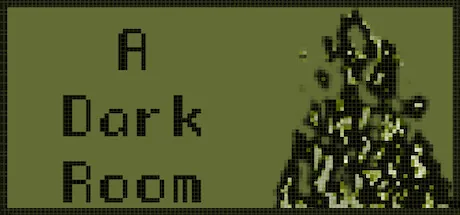
A minimalist text-based incremental that spends its first act pretending to be nothing at all, then quietly reveals it was building a survival story out of firewood, huts and silence the whole time.

8 / 10

Reviewed

Read review of A Dark Room

Baldur's Gate 3

Three years and eight patches after launch, Larian's D&D epic is still the reference point for what "your choices matter" is supposed to mean — and its two real weaknesses, a lopsided third act and a ruleset that rewards system mastery over roleplay, haven't gone anywhere either.

9.5 / 10

Reviewed

Read review of Baldur's Gate 3

Brotato

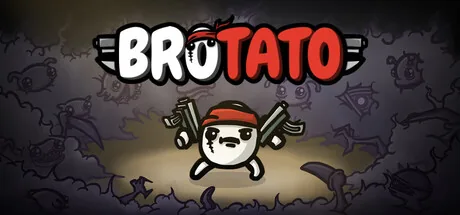
Blobfish's one-person arena shooter hands a potato six weapon slots and lets stat stacking do the rest — a review of how far chips-in-the-shop decision-making carries a twenty-wave run, and where the plain presentation and a few solved builds hold it back.

8 / 10

Reviewed

Read review of Brotato

Chronigma

A free time-travel Sokoban puzzler that gets one specific, difficult idea exactly right — solving a puzzle by recording your own past actions and then working alongside the ghost of what you just did.

8.5 / 10

Reviewed

Read review of Chronigma