Idle RPGs, MMOs, browser games and mobile RPGs, taken apart properly. Every review carries a
score out of 10, what the game does well, what it does badly, and the kind of player it is actually for.
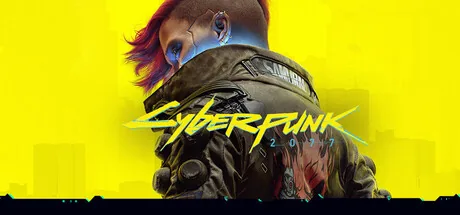
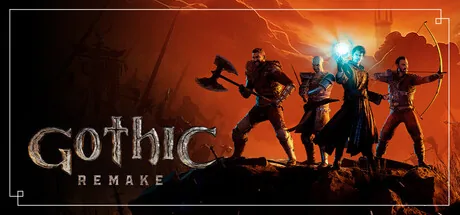
The most famous broken launch in modern gaming is now, five years and one total rebuild later, one of the best open-world RPGs you can buy. Ninety-six of its hundred most recent reviews are positive. The thing to check before buying isn't the game any more — it's the licence.
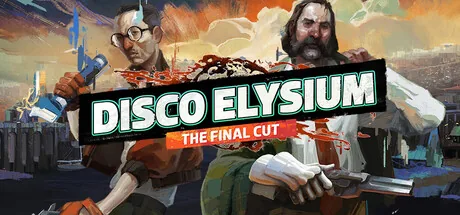
A detective RPG with no combat, twenty-four skills that argue with you inside your own head, and writing that has no real rival in the medium. Its negative reviews are almost entirely from people who call it a masterpiece and ask you not to buy it.
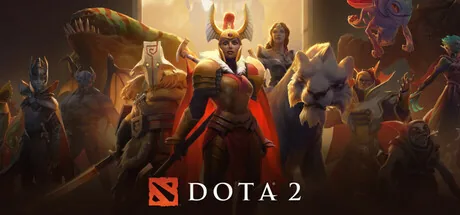
Every hero free, nothing purchasable that affects a match, thirteen years of updates, and a median recent reviewer with 1,078 hours logged. It is also one of the least welcoming games ever made, and that is not an accident of tone — it's the cost of the depth.
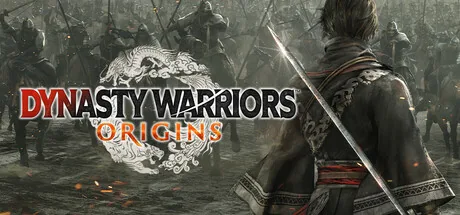
A genuine, widely-acclaimed reinvention of KOEI TECMO's long-running hack-and-slash series — praised by veteran fans as the best entry in over a decade for its overhauled combat — built around a deliberate, controversial trade-off that a large share of the same fanbase argues cost the series something real: a single silent protagonist replacing the roster of dozens of playable historical officers, and a story that stops at the Battle of Chibi, leaving half the classic Three Kingdoms tale untold at launch.
A point-and-click adventure dressed as a 1996 educational CD-ROM, with something wrong underneath it. One of the highest-rated games on Steam this year at 99% positive — and its single-save-file design is the reason that number isn't higher still.
A dark-fantasy metroidvania sequel to the beloved Ender Lilies, trading a slower Early Access build for a widely admired 1.0 release — gorgeous, meticulously quality-of-life-focused, and Overwhelmingly Positive across nearly 17,000 reviews, with its most thoughtful critics agreeing on exactly one thing: it's a better game than its predecessor and, for some, a lesser story.
A genre-defining bullet-hell roguelike about diving through a fortress of guns to find the one weapon that can kill the past — nearly a decade old and still Overwhelmingly Positive across almost 80,000 reviews, with fans logging thousands of hours apiece, undercut by a steep, RNG-heavy difficulty curve and a still-raw 2025 controversy over online co-op arriving on mobile years before it ever reached PC or console.
A pixel-art farming and life-sim RPG that spent two years in Early Access proving it isn't just another Stardew Valley clone — jumping, real combat, D&D nights at the tavern, and writing sharp enough to win over players who'd sworn off the genre — reviewed on the eve of its 1.0 launch with 97.7% of nearly 30,000 reviews already behind it.
A faithful, expanded rebuild of one of open-world RPG history's most influential games — the 2001 original that reviewers credit as a direct forerunner to The Witcher — that returned to the Colony to Very Positive reception and 500,000 copies sold, undercut at launch by genuine, severe bugs and softlocks that the developer has since addressed through a rapid, transparent patch cadence.
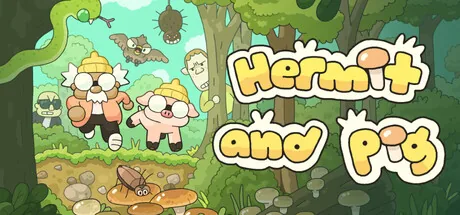
An Earthbound-flavoured turn-based RPG about a socially anxious old man, his truffle-pig best friend, and a corporate conspiracy involving giant mushrooms — built around a genuinely novel idea where awkward conversations function as real combat encounters, and near-unanimously loved by the players who've played it.
Tango Gameworks' rhythm-action surprise remains Overwhelmingly Positive across nearly 36,000 Steam reviews, widely regarded as one of the finest games Xbox has published in a decade — a reputation shadowed by a genuinely poignant, fully documented history this review can confirm in
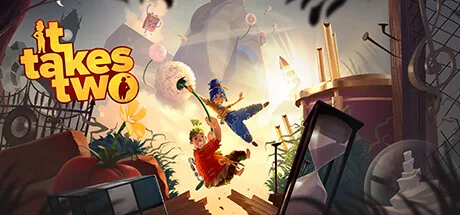
Hazelight Studios' GAME OF THE YEAR-winning co-op adventure remains one of gaming's most celebrated couch-co-op experiences, Overwhelmingly Positive across more than 266,000 Steam reviews and independently confirmed to have sold over 23 million copies — undercut for a real, recurring minority of players by a genuinely dark, forced late-game "torture" sequence, and by online connectivity friction this review can confirm was substantially, though not entirely, fixed by a documented May 2024 update removing the mandatory EA Launcher requirement.
A cat-breeding turn-based tactics roguelite from Binding of Isaac creator Edmund McMillen, nearly a decade in the making — deep, absurd and genuinely inventive enough to draw comparisons to Darkest Dungeon and Sid Meier in the same breath, with real, persistent complaints about breeding tedium and interface friction that a major mid-2026 patch only partly resolved.
A bigger, more mechanically ambitious sequel to one of the deckbuilding roguelike genre's most respected entries, landing at 95% positive on Steam even as a genuinely coherent chorus of the original's most devoted fans argue this expansion came at the cost of what made Monster Train click in the first place.
A hex-grid roguelike that swaps a conventional deck for a board you draft and build tile by tile, from the maker of the well-regarded mobile hit Cards of Terra — hitting 1.0 to a small but completely unanimous chorus of praise after what several reviewers admit was months of criminally low visibility.
An ARPG's worth of build synergy packed into an Asteroids cabinet, at thirteen dollars and 96% positive. The one thing standing between it and everybody is the control scheme — and that's a deliberate choice the game is literally named after.
A hundred thousand copies in its first week, and deservedly — you play a single parasite tearing organelles out of immune cells and grafting them onto your own body. The best twin-stick roguelite of the year so far, with one genuinely misleading line on its store page.
A breakout co-op climbing hit from a small Landfall-affiliated team, selling millions of copies for NZ$11.99 and earning genuine, chaotic devotion from its players — briefly overshadowed by a real, well-documented EULA controversy the developers reversed within days, and by two specific, widely repeated complaints (no save option, a punishing difficulty spike) that a remarkably attentive year of patches has since substantively addressed.
The game that brought the isometric party RPG back from the dead, and spent a decade being judged against a memory of Baldur's Gate rather than on its own terms. Fewer than half its buyers finish Act I — but the ones who push through average eighty hours.
A genuinely fresh, emotionally resonant sci-fi shoot-and-hack adventure from Capcom, six years after its original 2020 announcement, praised near-universally for its unusual father-daughter bond and inventive combat — undercut for a real, consistently repeated share of the sample by a combat loop that grows repetitive in its back half, and by genuine, well-documented Denuvo DRM access problems affecting even paying, non-piloting players.
Arkane Austin's 2017 immersive sim remains Very Positive across more than 54,000 Steam reviews, widely regarded as one of the genre's finest achievements — a reputation this review can confirm survived the closure of the very studio that made it, when Arkane Austin was shut down entirely by Microsoft in 2024, and a real controversy over the game's own title, which this review can confirm Bethesda forced onto an unrelated story over the objections of Arkane's own founder.
The game that invented the shopkeeper RPG, sixteen years old and still 96% positive. Every buy-low-sell-high game since owes it something — and most of them dropped the one idea that made it work.
A survival-horror triumph in its first half and a widely-debated tonal collapse in its second, wrapped around Capcom's biggest launch of the year — Overwhelmingly Positive across more than 100,000 Steam reviews and 8 million copies sold, while a large, detailed share of that same sample argues the game falls apart exactly when it should be building toward its climax.
The sequel that fixed nearly everything wrong with the original — and got criticised for it. Its sharpest reviewers say the classes are now too balanced and every run plays the same. Both things are true, and that's the interesting part.