Idle RPGs, MMOs, browser games and mobile RPGs, taken apart properly. Every review carries a
score out of 10, what the game does well, what it does badly, and the kind of player it is actually for.
Eight years after release and still getting a major update every month, Rust remains the most uncompromising survival game ever made — and the one whose own veterans write the funniest negative reviews about how much of their lives it took.
A solo-developed, critically adored twin-stick shooter from a Housemarque alumnus, widely hailed by its own fanbase as a spiritual successor to Geometry Wars — Overwhelmingly Positive on Steam with a 93 Metascore, undercut for many players by a steep, unevenly tutorialised difficulty curve that even genre veterans describe as a genuine barrier to entry.
A fan remake that outgrew the game it copied, and has been updated every year for a decade. It's free on Android, open source on GitHub, and carries no ads or purchases of any kind — so the interesting question isn't whether it's good. It's why you'd ever pay for it.
A visually extraordinary, deeply personal Southern Gothic folktale from Compulsion Games, praised almost universally for its art, music and story, undercut by a real, consistently repeated complaint that its combat grows tedious well before the credits roll — released into a genuinely poignant real-world backdrop in which Xbox reportedly began shutting down the studio that made it only months after publicly celebrating its Peabody Award win.
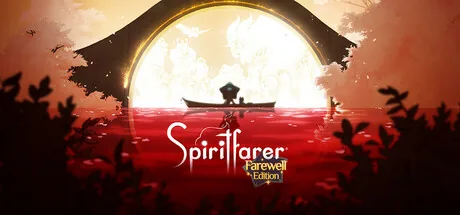
A cozy management game about dying, and one of the few games that earns the crying its reviews describe. The management half is fetch quests and minigames — which is the honest thing to tell you, because the store page sells it the other way round.
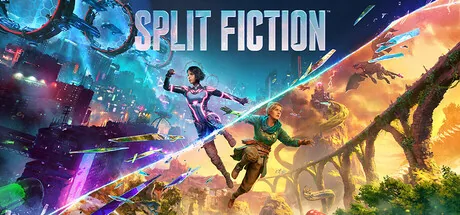
Hazelight Studios' co-op action-adventure follow-up to 2021's Game of the Year winner It Takes Two, drawing Overwhelmingly Positive reviews and near-universal praise for its inventive, constantly-shifting gameplay and unusually generous Friend's Pass model — with a smaller, coherent minority of the same fanbase arguing its writing and characters fall short of its predecessor.
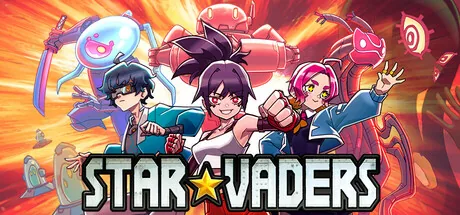
A grid-tactics deckbuilder that fuses Into the Breach-style positioning with a real card engine and a Space Invaders-flavoured alien assault, backed by a Metacritic 85 and an Overwhelmingly Positive Steam score — with real, specific complaints about UI clarity and balance outliers sitting underneath the acclaim.
The roguelike that taught the genre what item synergy could be, at 97% across 439,000 reviews. Twelve years and hundreds of items later, its most experienced players are asking whether it now has too many.
Respawn Entertainment's 2016 shooter remains Overwhelmingly Positive across more than 284,000 Steam reviews, widely regarded as one of the finest FPS campaigns ever made — a reputation shadowed by a genuine, years-long multiplayer DDoS crisis this review can confirm directly from the developer's own communications, and by the mandatory EA App launcher requirement that recurs as a real, persistent complaint even in reviews from Steam Deck-era players decades removed from launch.
The deckbuilder that removed the luck. You see every reward in advance and rebuild your deck between every fight — which makes it the most controllable game in its genre, and is exactly why some players bounce off it. Six dollars, 251 achievements, and criminally under-noticed.
A puzzle game built around one genuinely brilliant idea — photographs you place in the world become the world, letting you reshape reality by swapping what a picture shows for what's actually there — undercut by a runtime and a script that its own fans agree don't live up to the mechanic carrying them.
Ten years on it's still the sharpest turn-based tactics game ever made, built on one brilliant, divisive decision: you are always out of time. The thing that's actually got worse since 2016 isn't the game — it's what you have to agree to in order to launch it.
The 2018 society-survival strategy game that made keeping a city's generator running feel like a moral crisis. Eight years and 136,000-plus Steam reviews later, Frostpunk still holds a Very Positive rating — earned by a first playthrough nothing else quite replicates, and complicated by a second and third playthrough that keep finding the same optimal path.
A card-based deckbuilder that spends its first act convincing you it's a horror-tinged roguelike, then spends the next two acts proving that was never the whole game — a genre-shifting puzzle box from Daniel Mullins Games that has held a 96.8% Overwhelmingly Positive rating across 134,000-plus Steam reviews for nearly five years, even as a consistent minority feels misled by its own store page.
A gorgeous, thematically serious entry in Bandai Namco's long-running JRPG series, built around six-character elemental combat and a slavery-and-liberation story that earns its weight. The game underneath is excellent. The launch-day decision to sell costume DLC that unlocks combat Artes and stat bonuses, advertised at every campfire, is still the thing its own playerbase brings up five years later.
A 2012 answer to Diablo III's always-online auction house, built by former Blizzard North designers — and still worth playing today largely because of the mod scene that kept extending it after Runic Games itself closed down.
A tactics RPG built on genuine terrain manipulation and a persuasion-driven branching story, from the producer behind Bravely Default and Octopath Traveler — and a game whose own Steam reviews argue at length about just how much dialogue sits between its battles.
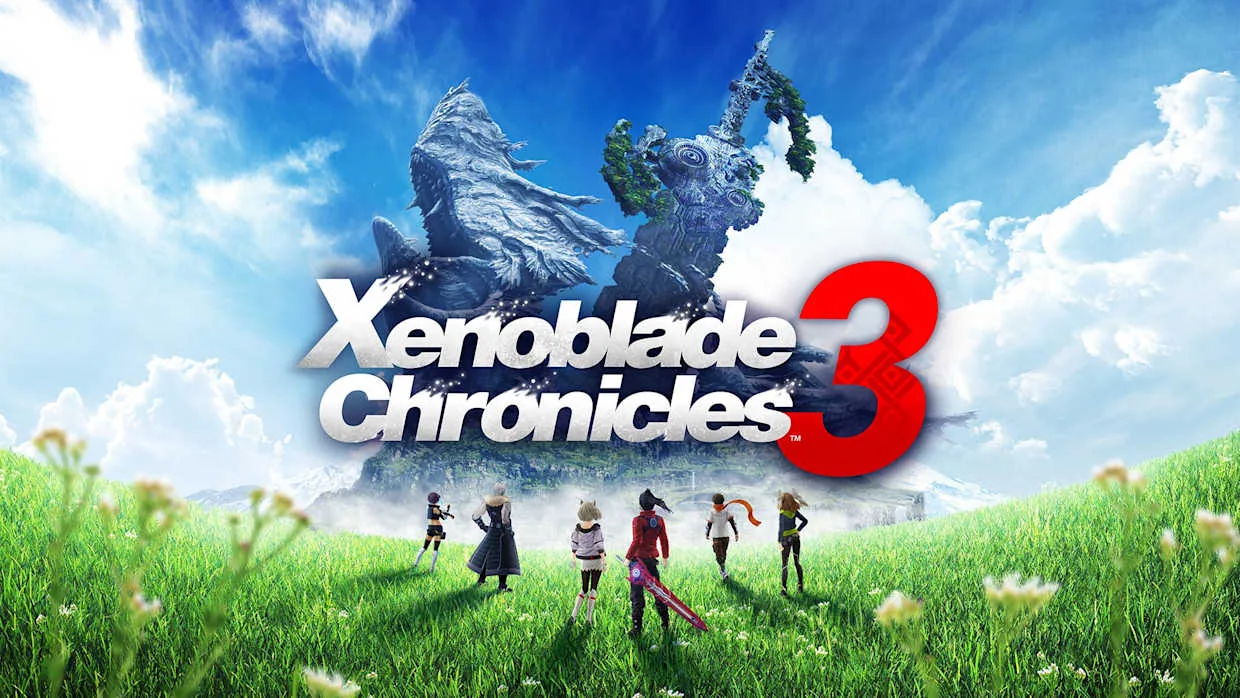
The trilogy-closing entry that fuses the worlds of the first two Xenoblade games into one shared battlefield, built around Chain Attacks and a class system deep enough to hold up across an eighty-hour campaign — with a story some major outlets still found predictable.
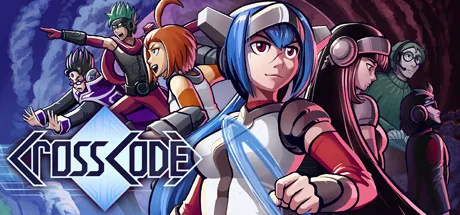
An action RPG about playing an MMO, built around one verb — throwing an energy ball that ricochets off walls — that does double duty as the combat system and the language every dungeon puzzle is written in.
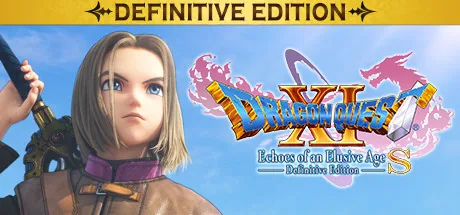
The Definitive Edition of Dragon Quest XI doesn't reinvent the turn-based JRPG, and that's the point — an orchestral score, a full second 2D presentation of the same 100-hour campaign, and combat that trusts the format instead of subverting it.
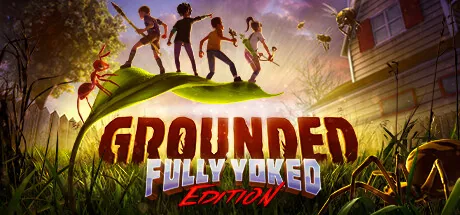
Obsidian shrinks you to the size of an ant and lets that single premise reshape exploration, combat and crafting all at once. Nearly four years after 1.0, the backyard is still one of the smartest survival maps in the genre — even as Obsidian's attention has visibly moved on to the sequel.
Team Ninja builds a three-stance, Ki Pulse-driven combat system deeper than almost anything else in the genre, then buries a big chunk of its own goodwill under Diablo-scale loot noise and mission design that leans hard on reused level layouts.
Nolla Games' falling-sand roguelite simulates every pixel of fire, gas, liquid and rock as one honest physical system, then hands you a wand editor deep enough to break that system on purpose. Four and a half years after its 1.0 release, only one in ten owners has ever finished it.
The sequel that actually lets its eight travelers meet each other, wrapped around the same Break and Boost combat that made the original worth playing and a day/night toggle that changes what every town has to offer.