Torchlight II
A 2012 answer to Diablo III's always-online auction house, built by former Blizzard North designers — and still worth playing today largely because of the mod scene that kept extending it after Runic Games itself closed down.
8 / 10
Browse by genre
478 Action games reviewed and scored, best first.
478 reviews
A 2012 answer to Diablo III's always-online auction house, built by former Blizzard North designers — and still worth playing today largely because of the mod scene that kept extending it after Runic Games itself closed down.
8 / 10
A VR-only mech-punching roguelite that reviewers routinely call one of the best physics games the headset has, praised for locomotion so smooth it solves VR's usual nausea problem — reviewed here as a genuinely mature release, since Steam's own patch history shows it's still being actively expanded two and a half years after launch, multiplayer included.
8 / 10
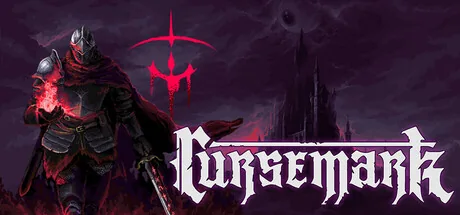
A minimalist top-down Souls-like that strips the genre down to timed dodges, stamina management and hard-won shortcuts, earning near-universal praise for its distillation of the formula while a real minority of even its own fans admit the moment-to-moment feel never quite clicked for them.
8 / 10
A survival-crafting game with action-RPG combat and a boss list instead of a tech tree, built around a PvP fantasy that most of its players quietly opt out of. Two years past 1.0, with the studio now calling it content-complete, it's worth being precise about which version of this game you're actually signing up for.
8 / 10
A free-to-play space-ninja shooter that has been adding systems since 2013 without ever taking one away. Genuinely one of the most generous live-service games on the market, and one of the hardest to explain to a friend. Reviewed with Jade Shadows: Constellations current.
8 / 10
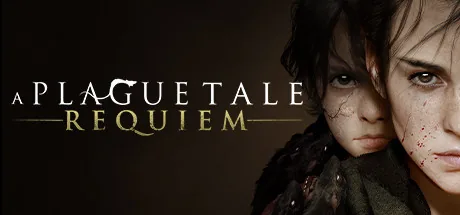
A visually extraordinary sequel that nearly every reviewer, on both sides of the score, agrees looks and sounds better than its beloved predecessor -- while a wide majority of its critics argue the writing that made that predecessor special didn't come along for the ride.
7.5 / 10
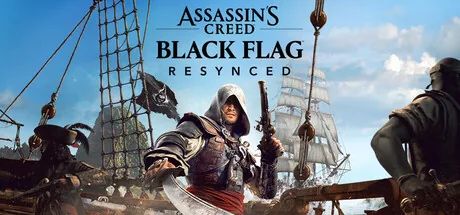
Ubisoft rebuilt Assassin's Creed IV: Black Flag from the ground up on the current Anvil engine rather than simply upscaling it, and the parts that made the 2013 original a fan favourite — Edward Kenway, the Jackdaw, the whole rotten, beautiful Caribbean — survive the trip largely intact. What doesn't survive as cleanly is some of the combat identity Ubisoft chose to strip out along the way.
7.5 / 10
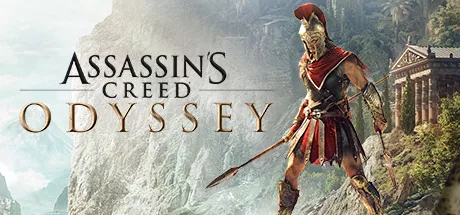
The most beautiful open world Ubisoft has built, and the clearest case study in gaming of a cash shop reaching backwards into a game's design. Eight years on it costs NZ$19.99 and holds 89% — but the level gates it built around its XP boosters are still exactly where they were.
7.5 / 10
A Hades-and-Dead-Cells-flavoured roguelite metroidvania whose art, combat feel and hub writing draw strong praise for its opening hours, with a consistent, specific counter-argument that its meta-progression grows passive rather than build-defining once the difficulty ramps up.
7.5 / 10
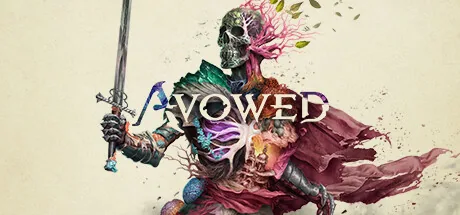
Obsidian trades the open world it once pitched for four dense, handcrafted regions of Eora, and the trade mostly pays off — sharp first-person combat and companions with real opinions, wrapped around a plague mystery that resolves faster than it deserves to.
7.5 / 10
An action-combat MMO where the fighting is closer to a character-action game than a tab-target RPG, the real long-term game is an offline worker economy running nodes and trade routes while you're logged out, and gear upgrades can fail hard enough to destroy the item you spent months building. Ten years old, still getting weekly content, and still the most mechanically dense MMO most players will ever half-understand.
7.5 / 10
A horde-survival roguelite that makes you actually fight, forcing constant swaps between melee and ranged weapons against enemies built to resist whichever one you're not holding — a deliberate answer to the genre's reputation for playing itself.
7.5 / 10
Koji Igarashi's Kickstarter-funded spiritual successor to Symphony of the Night is still a deep, generously-supported Metroidvania seven years on -- but a December 2025 switch to requiring Epic Online Services has visibly dragged its recent review score down from Very Positive to Mostly Positive.
7.5 / 10
A visually stunning, richly written supernatural action game widely called a Remedy highlight — with a genuinely well-documented 2021 "Ultimate Edition without the Ultimate DLC" controversy, and a still-unresolved oddity for a single-player game requiring an internet connection just to launch.
7.5 / 10
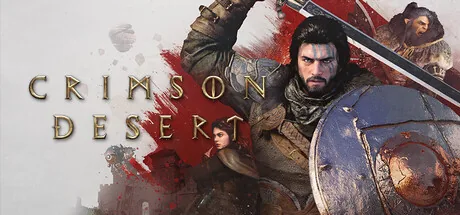
Pearl Abyss's massive, visually stunning open-world action-adventure launched to a rocky Mixed reception — a specific, documented 51% positive Steam score in its first days — before climbing to Very Positive within a week and staying there through five months of relentless, near-weekly patches, even as a real, ongoing thread of criticism argues the game never fully shakes its origins as an MMORPG stripped of its multiplayer.
7.5 / 10
A rune-socketed action roguelite where the world gets more dangerous the more of it you uncover — a genuinely inventive build system wrapped around a dodge that refuses to behave like the souls-likes it keeps getting compared to.
7.5 / 10
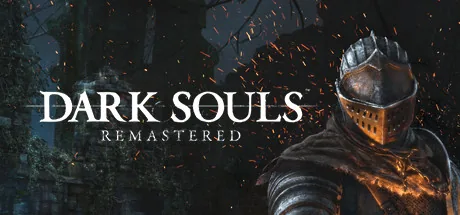
One of the most genre-defining action RPGs ever made, sold through a remaster its own launch-week reviewers called a $25 patch for known bugs that are, in several cases, still in the game — with the cheaper original delisted from Steam entirely.
7.5 / 10
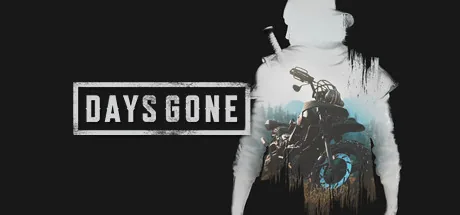
An open-world zombie survival game with a genuine cult following that grew after release — launched on PC in 2021 with one of the most severe, best-documented data-collection controversies this library has seen, since resolved with an opt-out but still shaping how the game is remembered.
7.5 / 10
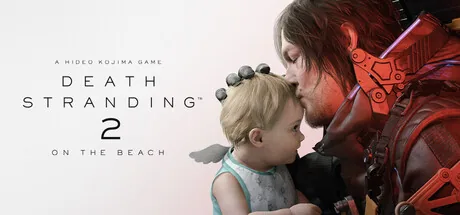
Kojima Productions' sequel arrived on PC nine months after its PlayStation 5 exclusive launch with one of the best-optimised AAA ports in recent memory and genuinely expanded delivery and combat systems, sitting Overwhelmingly Positive across nearly 26,000 Steam reviews — tempered by a real, remarkably consistent complaint from longtime fans that its writing, pacing and a hand-holding new companion character fall well short of the original's atmosphere and restraint.
7.5 / 10
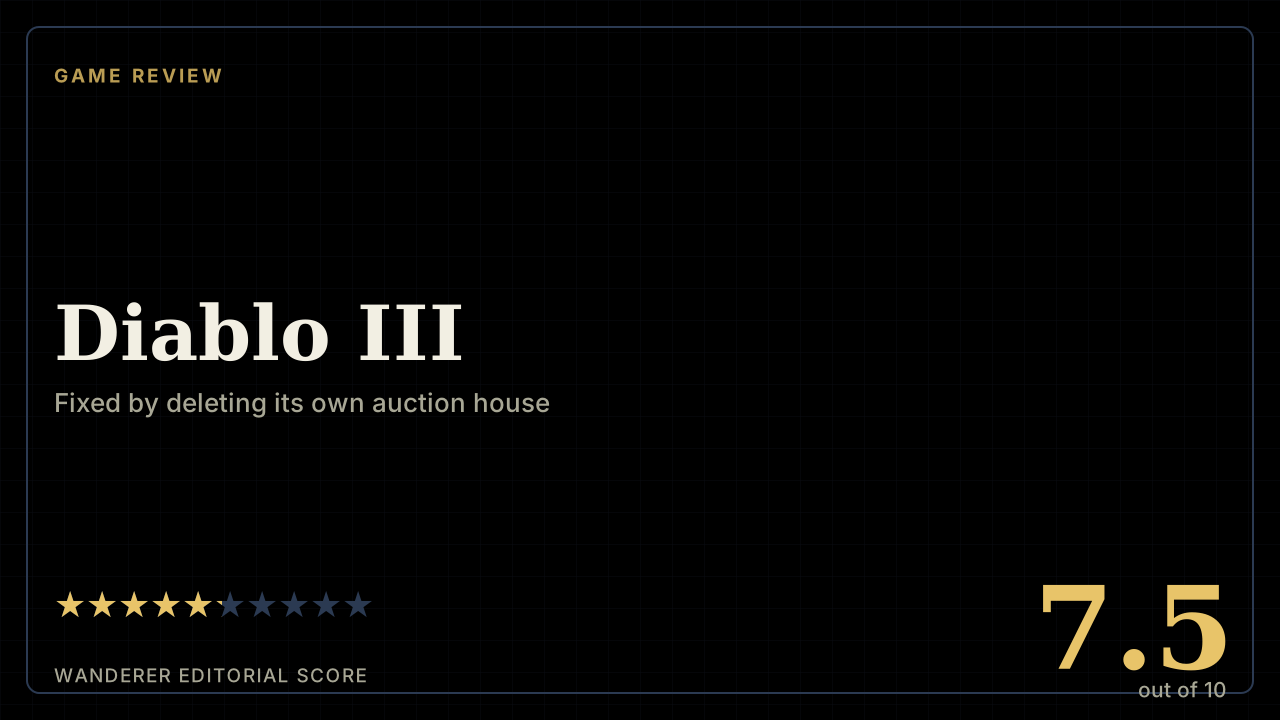
Diablo III launched in 2012 with a real-money item market that quietly rewrote its own loot tables, then spent the next two years proving the fix was worth the wait. Fourteen years and thirty-nine seasons on, it's a cheap, complete, still-excellent action RPG stuck in maintenance mode — and still carrying an always-online rule it no longer has a reason for.
7.5 / 10
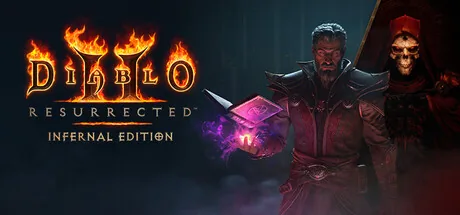
Blizzard's remaster of the 2000 original finally landed on Steam in February 2026, bundled with the first new class since 2001. The classic game underneath is exactly as good as it ever was — the question is whether Steam buyers are actually being sold the classic game, or something more expensive.
7.5 / 10
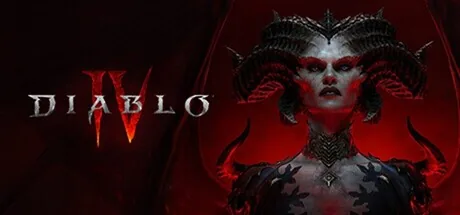
Two expansions and a dozen seasons after launch, Diablo IV has fixed the thing that nearly sank it — its loot — and built a genuinely enormous endgame on top. What it hasn't fixed is how much it now costs, in money and in relearning, to stay current with it.
7.5 / 10
Arkane's supernatural stealth-action sequel remains Very Positive across more than 66,000 Steam reviews, widely regarded as one of the finest immersive sims ever made — a reputation that survived a severe, well-documented 2016 launch-performance crisis this review can confirm was genuinely fixed, though a separate, newer, still-unresolved AMD CPU plus Nvidia GPU launch-failure bug persists in reviews dated as recently as August 2025, alongside real, current uncertainty over Arkane's own future following a July 2026 Xbox restructuring.
7.5 / 10
A celebrated, GOTY-winning BioWare fantasy epic whose Steam review page has spent six straight years dominated by one complaint that has nothing to do with the game — the mandatory EA launcher, which reviewers are still calling out for breaking the game as recently as this year.
7.5 / 10