Real chess, played with real rules, where every piece you capture hands you a spell card that can freeze a bishop, rotate a corner of the board, or turn a rook into a decoy king. A tactical roguelite built for players who already know how a knight moves.
A factory game with one iron deposit. Skyformer caps how fast you can extract anything, so you can't solve problems by building another mine — and then it makes the weather you terraformed into existence come back and destroy your factories. Half a gigabyte, genuinely novel, and rough where it counts.
Mega Crit's sequel to one of the most acclaimed deckbuilders ever made adds co-op, two new classes and a rebuilt Ascension ladder, then spends its first five months in Early Access getting hammered by its own veteran players over balance whiplash, a boss nobody could agree on, and a genuine RNG bug a fan had to prove existed.
A relentlessly demanding, meditative off-road trucking sim that reviewers describe with genuine reverence and dark humor in equal measure — undercut for years by unreliable multiplayer and crossplay stability, and an extensive DLC roster reviewers say pushes toward $200 for the full experience.
A ten-year-old space sandbox that still earns a Very Positive rating on the strength of its crafting-and-exploration loop and its modding scene — until you check the dates and find the developer has shipped one hotfix since 2019, then marked the tenth anniversary of its 1.0 launch with a vinyl record instead of an update, which is currently tanking the recent-review score in real time.
A self-contained, deliberately non-live-service starfighter combat game that critics loved and EA promised never to expand — a rare, honest $40 purchase undercut for a real share of players by years-unresolved login authentication bugs and a multiplayer population that's shrunk enough to make its own leaver-penalty system actively punishing.
A decade-old 4X space strategy game beloved enough to produce reviewers with 2,000+ hours logged — and, since 2024, a wave of those exact same veteran players turning against Paradox over DLC pricing, a specific performance regression, and player-reported AI-generated content.
Capcom's genre-redefining fighting game remains Very Positive across nearly 78,000 Steam reviews, widely credited with the best netcode and most accessible entry point the series has ever offered — undercut by a real, remarkably consistent, mathematically verifiable complaint that its premium currency is deliberately priced so purchases never divide evenly, a pattern independently described in near-identical terms by reviewers spanning tens to well over a thousand hours.
The mobile gacha RPG that the rest of the genre was quietly built on top of is still running twelve years later, and the direct ancestry to Raid: Shadow Legends' gear system makes it the rare case where reviewing the original after the imitation actually changes the verdict.
An outstanding fighting game that added a cash shop and premium battle pass two months after launch, then spent a year buffing offence until its own 300-hour veterans stopped recognising it — and is only now climbing back.
A Fire Emblem-inspired SRPG built around shoving enemies off cliffs and into lava rather than around RNG-driven misses, backed by a genuinely powerful campaign editor and a developer reviewers repeatedly praise for responding to years-old posts — wrapped in a UI multiple high-playtime fans call the worst they've ever used.
Nine years, 60 DLC packs and 201,251 reviews — and unlike other DLC-heavy giants, here the store really is the complaint, because what's behind the paywall isn't extra content but the equipment you need.
Nineteen years old and still the only MMO that treats Tolkien's geography and timeline as a design constraint rather than a skin. Reviewed with Kingdoms of Harad current, asking what that licence discipline actually buys a player in 2026 — and what a new one genuinely has to pay to see it.
A genuinely promising return for a cult-favourite action RPG series, currently sold at full future price for a slice of content that doesn't yet match the ambition of its class system.
One of the best-regarded entries in the Total War series on release, built around a genuinely deep diplomacy system and two distinct ways to play — undercut by a 2019 modding censorship controversy tied to a Chinese-market publishing deal, a DLC roadmap reviewers say Creative Assembly abandoned before finishing the story it promised, and persistent crash bugs still reported years later.
Frozenbyte's fifth fantasy co-op puzzle-platformer is, by wide agreement, its most gorgeous entry -- and its most persistently broken in the mode the series is built around. Steam has it at Very Positive, but a third of its English-language negative reviews, spanning three full years, describe co-op desyncs, lost progression and crashes that were never fixed.
A brand-new semi-idle browser-style MMORPG that wears its RuneScape and Melvor Idle influences openly — guilds, a tabbed skill list, a world map gated by level bands — two days into Early Access and already patching multiple times a day.
A faithful, ambitious remake of the 1993 BBS door game Usurper — text-only dungeon crawling in a persistent world of autonomous NPCs who marry, betray and die whether you're logged in or not — built by a solo developer whose speed wins loud praise, while the game's single most-upvoted review raises real, detailed concerns about development stability.
An ambitious Early Access idle RPG from a studio literally named Idle Gamers -- four classes and twelve subclasses, co-op world bosses, a 24-hour offline cap and no microtransactions -- that a large and often deeply invested review base calls one of the best idle RPGs of the year, set against a genuinely loud minority calling its AI-generated art and UI "AI slop" and its daily balance patches disruptive to builds players had already committed to.
A widely loved Left 4 Dead-style co-op action RPG whose own longtime fans describe a recurring pattern of the developer breaking what worked — most seriously with a kernel-level anti-cheat system reviewers say has issued false-positive bans in a purely cooperative game.
A character-based co-op action RPG that launched into Early Access on 17 August 2023 to what reviewers called one of the worst MMO launches in gaming history — hour-long server queues, a punitive premium-currency cash shop — then, after its original publisher's games division shut down months later, was rebuilt by its developer into a one-time purchase with microtransactions removed entirely.
A solo-developer chatroom-fishing game that turned into one of 2024's biggest indie surprises, sitting Overwhelmingly Positive across 70,000+ reviews — but a full read of its negative sample and Steam's own announcement feed shows a game whose developer has gone quiet since January 2025, leaving a well-documented lobby-security problem unresolved.
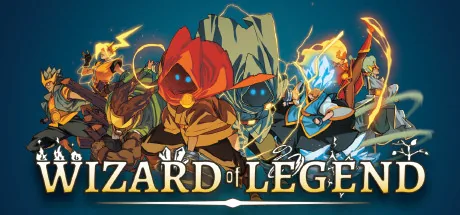
Contingent99's Kickstarter-funded elemental combo roguelite is Very Positive on Steam eight years on, but the single most consistent complaint in its review history -- getting stunlocked by chains of hits with no invincibility frames on the dash -- is exactly the same complaint it launched with in 2018.
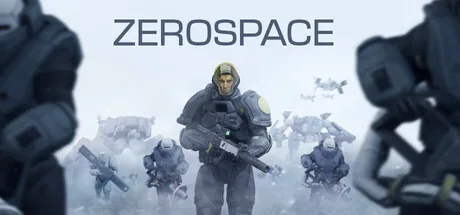
A Kickstarter-backed, pro-player-built sci-fi RTS that arrives in Early Access as the most credible StarCraft successor in years, welded to a commander RPG layer that mostly earns its place — if you're still willing to relearn macro from scratch.