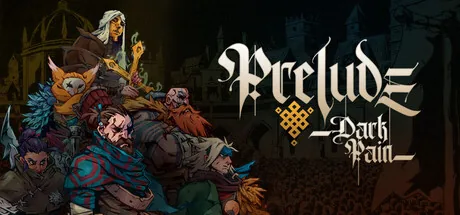
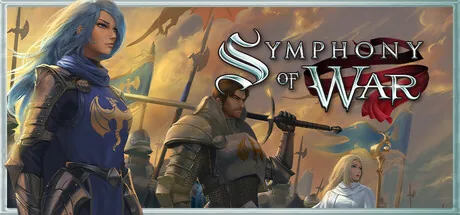
A Seville studio's debut tactical RPG that looks like Darkest Dungeon and plays like Final Fantasy Tactics — two battle points a turn, a board that fights back, and one act of a campaign that has another year of building to do.
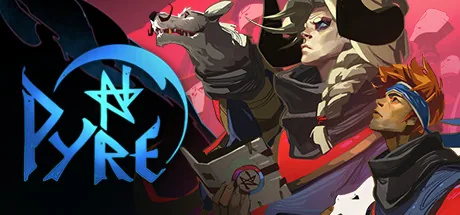
Supergiant Games followed Bastion and Transistor with a fantasy exile story told through a three-on-three magical sport, and split its own fanbase in half doing it -- one of its own most quoted reviews calls it "Supergiant's worst game, but their best piece of art."
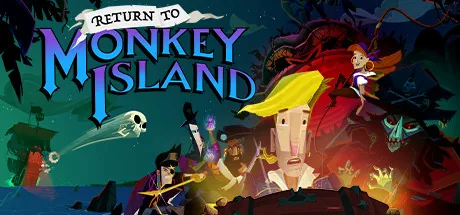
Series creator Ron Gilbert's genuine return to the franchise thirty years on -- warmly received by a wide margin, and reopening the exact argument his own Monkey Island 2 ending started in 1991, with the same specific complaint dominating this game's negative reviews.
A dark fantasy RPG that replaces turns and mana with a shared deck and a countdown clock — every card you play buys time against the enemy's next move, and every hero draws from the same pool of cards.
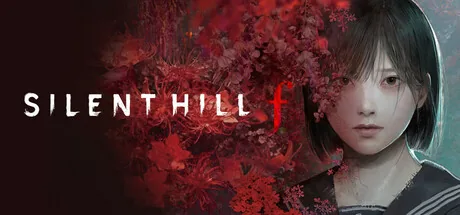
A visually extraordinary, boldly original entry in Konami's horror franchise — trading the series' familiar American fog town for 1960s rural Japan, with a story from acclaimed writer Ryukishi07 and a score featuring series composer Akira Yamaoka — undercut by a combat system that reviewers on both sides of the recommendation line agree fights against the psychological dread the series has always been known for.
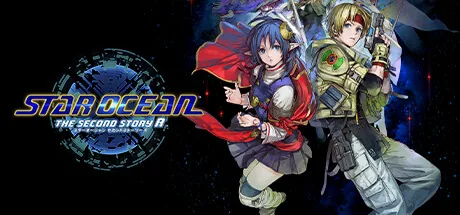
A faithful, HD-2D remake of the 1998 fan-favourite that reviewers rate Very Positive and trending upward two years on, built around genuinely praised character writing and a deep private-action system, dragged down by companion AI complaints, an always-online requirement and a handful of specific, documented localisation changes from the Japanese original.
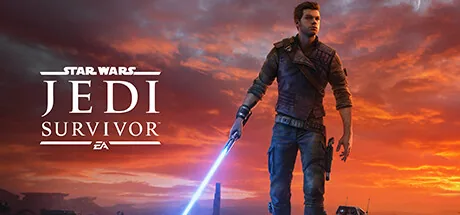
A well-regarded continuation of Cal Kestis's story that launched as one of the most notoriously broken PC ports of 2023 — sentiment has genuinely recovered since (recent reviews run well ahead of the lifetime score), but performance and crashes remain the single most common complaint in this outlet's sample even three years later.
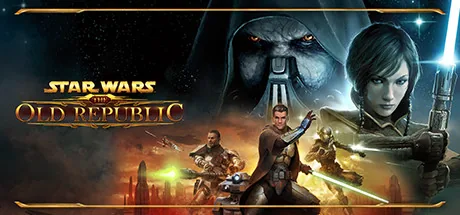
Eight fully voice-acted BioWare RPGs wearing an MMO's clothing, fifteen years on and still the best argument for that structure the genre has ever produced. Reviewed with Update 7.9 "Legacy Reborn" current and 8.0 on the public test server.
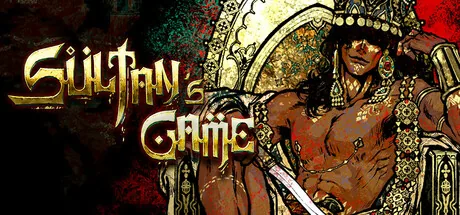
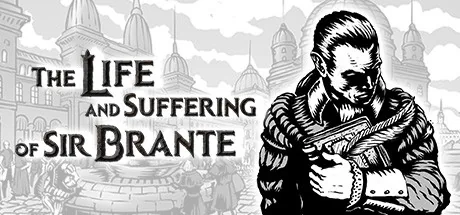
A weekly card draw from a mad ruler turns resource management into a genuinely dreadful moral gauntlet, and the concept is original enough that it sold a million copies and won an Indie Game of the Year award — set against a translation its own English-speaking audience has been calling unacceptable for over a year, and a loop that a large share of veteran reviewers say goes stale on repeat playthroughs.
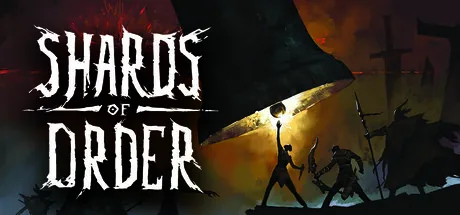
An RPG Maker-built spiritual successor to Ogre Battle and Fire Emblem with genuinely excellent squad-tactics combat -- undercut, by its own fans' repeated admission, by a story its own community tags call "Story Rich" and its own review corpus calls the weakest part of the game.
Nightdive Studios' remake of the genre-defining 1994 original remains Very Positive across nearly 13,000 Steam reviews, widely credited as a remarkably faithful, lovingly crafted recreation — a fidelity that cuts both ways, as the review sample consistently describes the remake preserving the original's genuinely cryptic, maze-like navigation right alongside its atmosphere, and this review can confirm the remake's own development nearly collapsed entirely when the project ran out of money partway through.
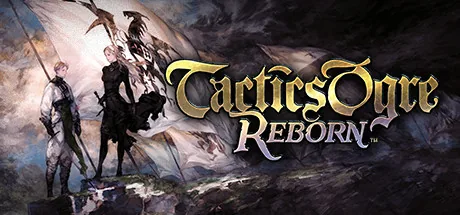
Square Enix's remaster of a genre-defining 1995 tactical RPG splits its own most invested fans down the middle — the presentation, voice work and orchestration draw near-unanimous praise, while the specific gameplay changes to levelling, permadeath and the class system have produced some of the most detailed, dug-in disagreement this library has read on any remaster.
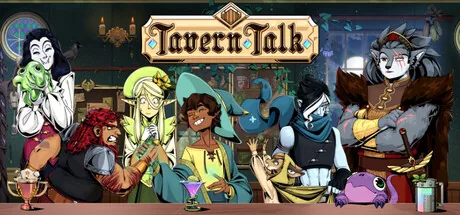
A cozy visual novel about running a D&D-inspired tavern, where the drinks you pour nudge adventurers toward one of several endings. The cast and the accessibility work are the real draw; the drink-mixing and quest-building systems around them are thinner than the premise promises.
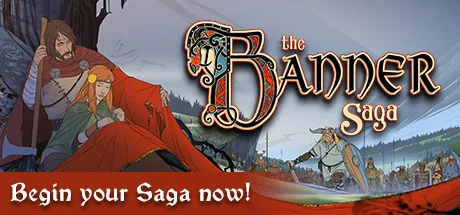
A gorgeously art-directed Viking tactical RPG whose story and presentation draw near-universal praise even from critical reviewers — undercut by a specific, mechanically precise complaint that recurs across a full decade: the combat's action-economy design makes injuring and sparing enemies the optimal strategy, so killing them is often actively punished.
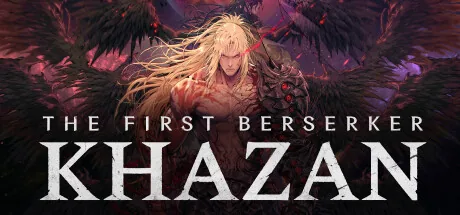
A genuinely excellent Soulslike with combat this library ranks among the best it's reviewed, one of the best-implemented easy modes in the genre, and a back half that a large share of its own fans say buckles into damage-sponge repetition — complicated further by a limited-time exclusive-content controversy, a Denuvo addition over a year after launch, and reports its own development team was restructured following disappointing sales.
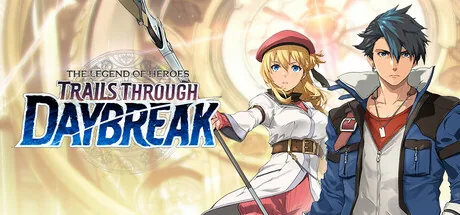
A soft-reboot entry point into Nihon Falcom's long-running Trails series, praised by newcomers and veterans alike for its new protagonist and combat, with a genuine, well-documented localisation dispute — multiple independent reviewers report English subtitles diverging from the original Japanese dialogue — that this review reports factually rather than adjudicates.
A narrative RPG that plays out across a lifetime, from birth to death, built around a genuinely subversive idea — your choices are gated by the stats your earlier choices built, whether or not that matches how you actually want to roleplay — that reviewers alternately praise as a brilliant deconstruction of choice-based storytelling and criticise as breaking the promise of meaningful choice altogether.
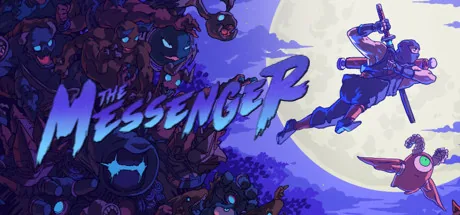
Sabotage Studio's debut turns from an 8-bit Ninja Gaiden throwback into a 16-bit metroidvania halfway through, and that structural gamble is exactly what still divides its Steam reviews eight years later -- critics loved the twist in 2018, but a large share of players now say the backtracking-heavy second half undoes what the first half built.
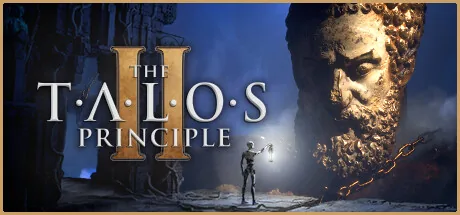
A gorgeous, ambitious philosophical puzzle sequel that expands everything the original did, which a large and vocal share of veteran fans argue is exactly the problem — bigger worlds, more dialogue and easier puzzles than the tight, focused original they loved.
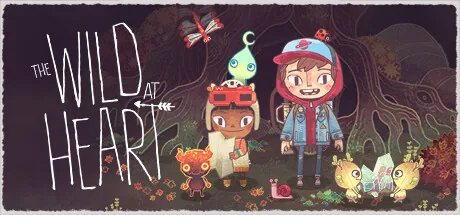
A charming, Pikmin-inspired storybook fantasy adventure about two runaway children commanding a herd of forest spirits -- Overwhelmingly Positive on Steam for its art and atmosphere, with a consistent, specific complaint that its combat and controls never match the genre giant it invites comparison to.
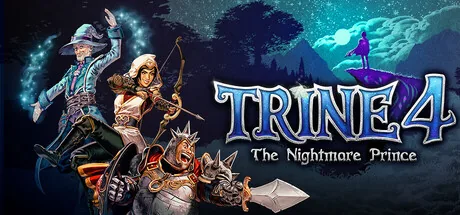
Frozenbyte's course-correction after Trine 3's disastrous 3D detour, returning to 2.5D co-op puzzle-platforming with three fairytale heroes -- still Very Positive on Steam seven years on, with the series' oldest, most consistent complaint (the combat) as fresh in this year's reviews as it was at launch.
A deeply personal, one-to-two-hour narrative cooking game about a Tamil family immigrating to Canada, whose story draws exceptional, culturally specific praise even from critics who otherwise dock it hard for a runtime and cooking mechanic reviewers consistently argue don't match its original asking price.
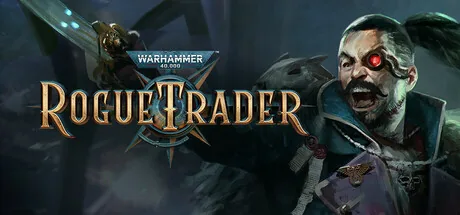
A turn-based CRPG that hands you a voidship, a dynasty's fortune and the Imperium's blessing to do almost anything with both — built on a career system that turns absurd by the final act, and shipped rough enough at launch that its current, patched shape is a genuinely different game to review.
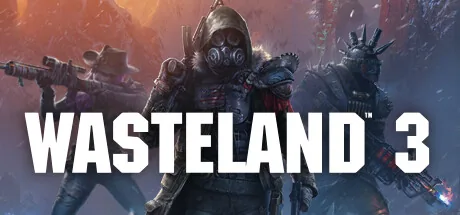
Some of the best-written quests and dialogue in any CRPG, wrapped around turn-based combat that knows what it's doing — and six years of bug reports that never quite stopped, concentrated almost entirely in the co-op mode it was sold on.