A relaxing incremental about a magical wolf restoring a wasteland into a meadow, with a fast and genuinely responsive fix to its rocky launch performance, undercut by a late-game challenge that a real cluster of reviewers say has sat broken for the better part of a year.
A genuine technical marvel that recreates the entire Earth in staggering, mesmerizing detail — sold on Steam behind a mandatory external-launcher download that reviewers have documented, consistently and specifically, running out Steam's refund window since launch day in 2020.
A Windows-98-styled incremental about building a weapons manufacturer from a single hand-cranked bullet press to a nuke, undone late by an achievement wave that broke 100% completion for a lot of the players who loved it most.
A desktop-overlay idle aquarium that genuinely earns its Idler tag and out-designs its rivals on tank capacity and how literally it sits on your desktop, but a fifteen-month-old review corpus this thin, two serious memory-leak reports and thirteen months of developer silence keep it from matching the library's better-supported pond games.
A solo-developed idle mining clicker that left seven months of Early Access on 6 August 2026 with a genuinely novel twist — spending points to weight the odds of its own random events — but arrived with a three-review corpus already reporting broken pet slots, a muted-sound bug, and a gem shop that won't take money.
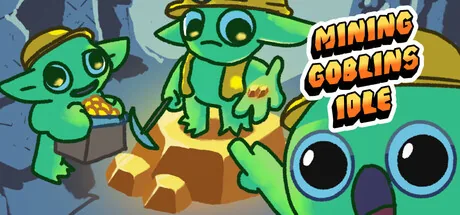
A cheap, cheerfully chaotic idle mining game whose launch reviews all landed before a major "Big Bang" update rewrote its ending, fixed its most-cited bugs and added the prestige payoff early buyers said was missing — leaving a genuinely funny, well-supported small idler whose new true ending has its own, very real pacing problem.
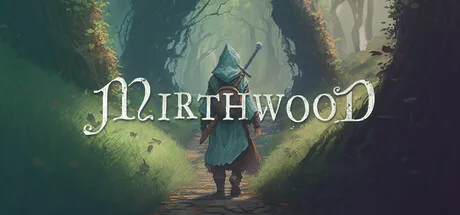
A medieval-fantasy blend of Stardew Valley farming and open-world RPG adventuring, built by a two-person team, whose beautiful art and genuine ambition were badly let down by a "1.0" launch that its own most-upvoted reviews say played like early access — since substantially redeemed by almost two years of continuous free updates.
A faithful digital adaptation of GMT Games' presidency board game, which means two things its Steam audience keeps discovering the hard way: the outcomes are decided by dice, and every year of your term ends in a quarter of an hour of pop-ups.
A 2019 semi-idle party RPG that most of its audience genuinely likes — except the small, verifiable slice of English-speaking buyers who kept hitting the same unresolved one-minute crash bug for five straight years, on a game whose developer stopped posting updates in 2021.
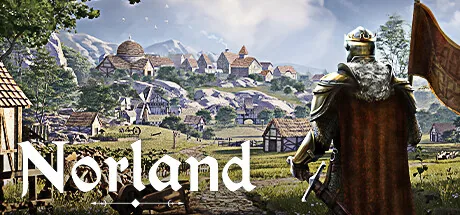
A medieval colony sim that pitches itself as Crusader Kings' court intrigue crossed with RimWorld's colonist simulation -- a genuinely funny, genuinely ambitious generator of noble-house disasters, still rough enough after two years in Early Access that plenty of its own fans are telling each other to wait.
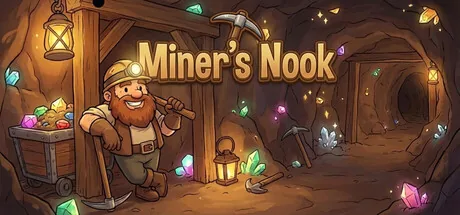
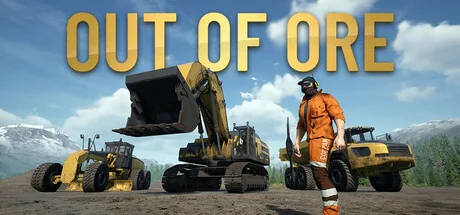
A genuinely satisfying Klondike gold-rush mining tycoon sim from a studio whose previous Early Access title was abandoned and delisted — a history that shadows this one every time a years-old bug resurfaces or a new paid DLC lands on what a chunk of the audience still calls beta.
A free-to-play cozy MMO that survived its own studio nearly collapsing under it — Singularity 6 laid off around 40% of its staff across 2023 and 2024 before Daybreak Game Company bought the studio outright, and the game that emerged is still being patched roughly every three to four weeks in 2026. What it hasn't fixed is a monetisation model that increasingly charges real money to actually use rewards you already earned by playing.
A solo developer's charming Anno-flavoured idle colony builder with a small but genuinely devoted Steam following -- reviewed here from every available English review rather than a sample, given how small that following is.
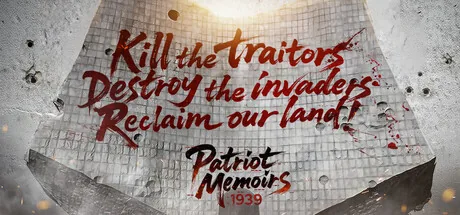
A live-action interactive drama about a double-agent infiltrating a collaborationist spy agency in Japanese-occupied Shanghai in 1939, built on genuine branching and a day-cycle resource system, undercut by a narrative its own dedicated audience says leans far harder into romance than the espionage thriller it was sold as.
Frontier Developments' theme-park sequel launched into a genuinely well-documented content and feature regression from its predecessor — Steam Workshop removed, core PC1 content resold as DLC, a console-first UI — sitting Mostly Positive across more than 14,000 Steam reviews; this review can confirm, via a sustained year-and-a-half patch cadence through mid-2026, that Frontier did not abandon the game afterward, with a real, credited player-reported turnaround distinct from its rocky launch reputation.
A first-person ranch sim that spent a year in public demos before its Early Access launch, and it shows — the "done" list is unusually long for a day-one build. What isn't done yet is co-op, and the recommended specs ask for more GPU than a cozy farm game should need.
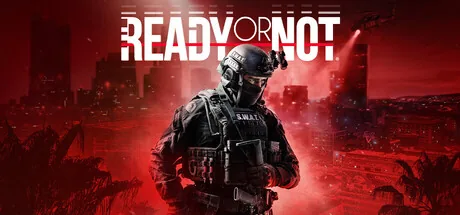
A tense, tactically excellent SWAT shooter whose lifetime score is still recovering from a massive, well-documented 2025 review-bomb after the developer retroactively censored the PC version to match a new console release — recent sentiment suggests the wound is healing, but slowly.
A gas-station management sim where you're secretly aliens gathering intel on humanity — a great hook for a group of friends on a Friday night, let down by how little the alien half actually changes about restocking shelves and running a till.
The farming-RPG series' first fully 3D entry, loved by a devoted fanbase logging hundreds of hours -- while a wide, well-documented share of reviewers, including many of its own biggest fans, argue the jump to 3D cost the series more than it gained.
A NZ$5.99 solo-developer hybrid that bolts a proper node-based skill tree onto Snake, making the run itself the resource loop rather than the thing an idle game politely ignores — checked against a 433-review corpus that agrees almost unanimously on where the game turns from clever to punishing.
A co-op sky-island survival game that trades hunger bars and monsters for solar panels and delivery drones — charming and genuinely clever in its energy systems, but its progression runs out of new ideas long before the credits.
A visually stunning, atmospheric return to the Zone whose biggest problem is the one thing longtime fans wanted most — its signature "A-Life" living-world simulation shipped broken or absent, according to a majority of this review's negative sample, and persistent performance problems have outlasted more than a year of patches.
A psychological-horror bureaucracy sim that asks you to cross-check contradictory paperwork against a company terminal and stamp APPROVED or REJECTED — Papers, Please's mechanic wearing a haunted-office coat, from a developer who shipped two other small horror games the same fortnight.
A turn-based hero collector that grafts Uma Musume's training sim onto Honkai: Star Rail-style combat, with presentation to match — undercut by optimisation problems and a PvP ladder that leans harder on spending than its otherwise generous gacha deserves.