Wartales
Shiro Games' open-world mercenary RPG treats a company of sellswords as a small business — wages, food, gear repair and prisoners are the real spreadsheet, and combat is what happens when that spreadsheet goes wrong.
8 / 10
Browse by platform
172 games we have reviewed that run on Xbox, best first.
172 reviews
Shiro Games' open-world mercenary RPG treats a company of sellswords as a small business — wages, food, gear repair and prisoners are the real spreadsheet, and combat is what happens when that spreadsheet goes wrong.
8 / 10
A long-running brawler franchise's biggest gamble in years — swapping real-time combat for a turn-based JRPG system — paid off with the series' best critical reception yet, though a vocal minority of longtime fans still argue the new combat never matched the writing around it.
8 / 10
Villa Gorilla's pinball-metroidvania hybrid won a BAFTA for Best Debut and sits at Overwhelmingly Positive on Steam eight years on -- a genuinely inventive idea that a small but consistent minority of players say the traversal design never quite lives up to, in a game its one-off studio never got the chance, or perhaps never wanted, to follow up.
8 / 10
A voxel zombie survival game built entirely around a scheduled siege that arrives on a known clock and gets worse every time. Eleven years in Early Access ended in July 2024 — the core loop is still one of the smartest in the genre, but the years show in how it looks, runs and argues with its own community about what it used to be.
7.5 / 10
A classless sandbox MMORPG where every sword, ship and set of plate armour is player-made — and where losing a fight in the wrong zone means losing all of it. Nine years in, and now on Xbox, the question is whether that risk still teaches or just filters.
7.5 / 10
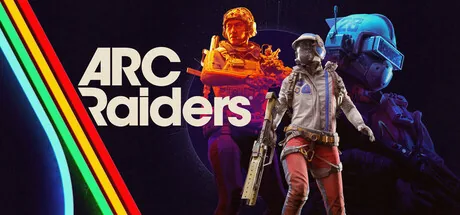
A gorgeous, brilliantly-made extraction shooter that sold 16 million copies and then spent nine months watching its own community turn hostile — with the developers now matchmaking players by how likely they are to shoot you.
7.5 / 10
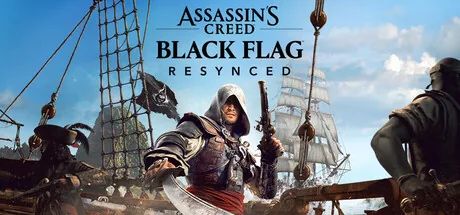
Ubisoft rebuilt Assassin's Creed IV: Black Flag from the ground up on the current Anvil engine rather than simply upscaling it, and the parts that made the 2013 original a fan favourite — Edward Kenway, the Jackdaw, the whole rotten, beautiful Caribbean — survive the trip largely intact. What doesn't survive as cleanly is some of the combat identity Ubisoft chose to strip out along the way.
7.5 / 10
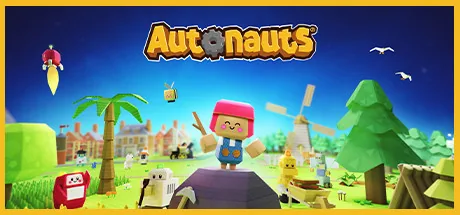
A colony sim that turns its whole progression system into a programming lesson — you don't unlock better robots, you unlock better scripts, and the game lives or dies on whether that scripting language can keep up with the colony you build with it.
7.5 / 10
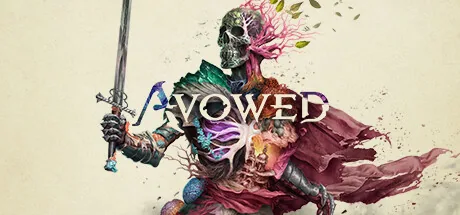
Obsidian trades the open world it once pitched for four dense, handcrafted regions of Eora, and the trade mostly pays off — sharp first-person combat and companions with real opinions, wrapped around a plague mystery that resolves faster than it deserves to.
7.5 / 10
Backpack Hero turns the inventory screen itself into the entire combat system — item shape, orientation and neighbouring slots decide what a fight looks like, not a separate stats page. A look at whether that idea, and the game built around it, survived the jump from a free browser prototype to a finished commercial release the developer has since gone quiet on.
7.5 / 10
An action-combat MMO where the fighting is closer to a character-action game than a tab-target RPG, the real long-term game is an offline worker economy running nodes and trade routes while you're logged out, and gear upgrades can fail hard enough to destroy the item you spent months building. Ten years old, still getting weekly content, and still the most mechanically dense MMO most players will ever half-understand.
7.5 / 10
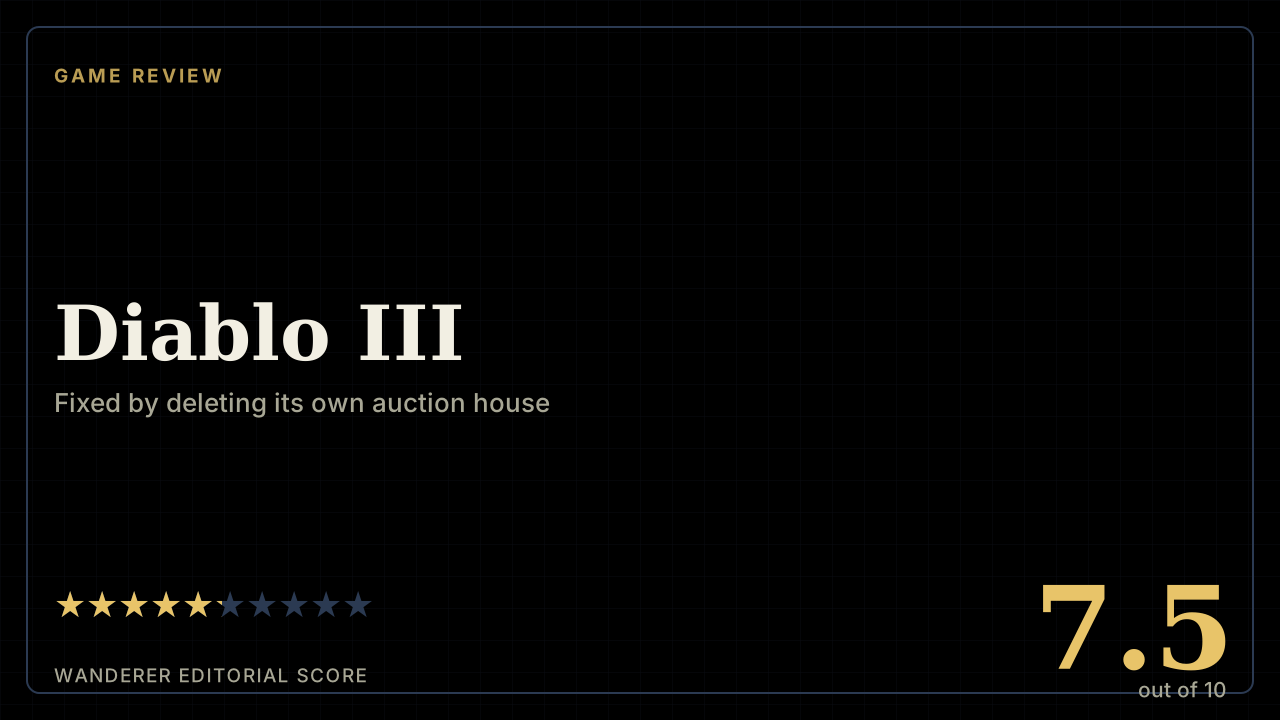
Diablo III launched in 2012 with a real-money item market that quietly rewrote its own loot tables, then spent the next two years proving the fix was worth the wait. Fourteen years and thirty-nine seasons on, it's a cheap, complete, still-excellent action RPG stuck in maintenance mode — and still carrying an always-online rule it no longer has a reason for.
7.5 / 10
Blizzard's remaster of the 2000 original finally landed on Steam in February 2026, bundled with the first new class since 2001. The classic game underneath is exactly as good as it ever was — the question is whether Steam buyers are actually being sold the classic game, or something more expensive.
7.5 / 10
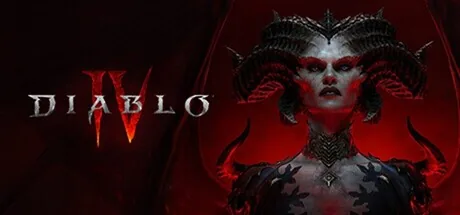
Two expansions and a dozen seasons after launch, Diablo IV has fixed the thing that nearly sank it — its loot — and built a genuinely enormous endgame on top. What it hasn't fixed is how much it now costs, in money and in relearning, to stay current with it.
7.5 / 10
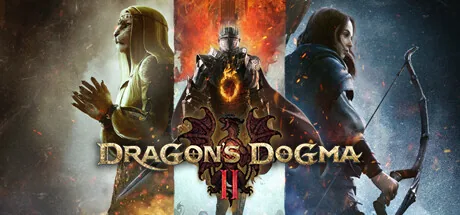
Capcom's open-world action RPG is built around a genuinely strange idea — AI companions on loan from other players' worlds — wrapped in a combat system that rewards climbing monsters like furniture and a map that punishes you for wanting to skip the walk. Two-plus years of patches have quietly answered most of its launch complaints; the review score never fully recovered from asking anyway.
7.5 / 10
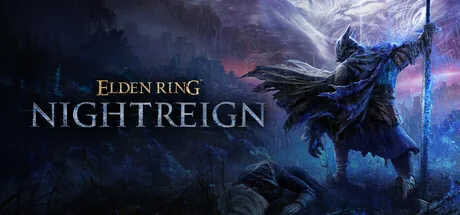
FromSoftware compresses Soulslike boss combat into 40-minute three-player runs, trading Elden Ring's open-ended build freedom for ten fixed heroes, a shrinking map and a clock that never stops.
7.5 / 10
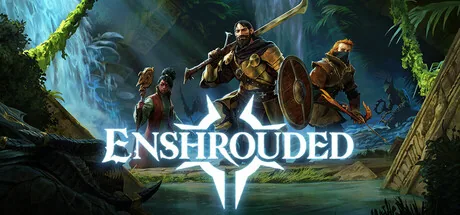
A voxel survival game that welds on a real RPG skill tree and dares you to dig, sculpt and build inside a world that is actively trying to kill you on a clock. Two and a half years into Early Access, with a 1.0 date finally on the calendar, the question is whether the fog and the talent tree were ever really talking to each other.
7.5 / 10
A co-op liminal-space horror game that rode the Backrooms internet craze into Early Access in 2022, spent three years earning a huge audience on atmosphere and jump-scares with friends, and is still being actively patched onto new consoles four years later.
7.5 / 10
Square Enix rebuilt Final Fantasy as a single-character action game with a Devil May Cry pedigree and the most ambitious set pieces the genre has ever staged, then paid for it with the party control, gear depth and build variety that used to define the series.
7.5 / 10
Quite possibly the best arcade racer ever made, set in the best map the series has built — and its two most-upvoted negative reviews are from people who couldn't play it because they block telemetry.
7.5 / 10
A gorgeous, unusually faithful Indiana Jones game with excellent puzzles — and hardware requirements strict enough that its second most-upvoted critic warns you'll discover the problem after the refund window closes.
7.5 / 10
Capcom's biggest Monster Hunter yet strips away almost everything that used to make the series hard to love — and a lot of what used to make it worth loving. A phenomenal hunt loop wrapped around a launch-year PC performance crisis and an endgame that shipped thinner than the marketing suggested.
7.5 / 10
A vertical, three-floor twist on the deckbuilding roguelike that Slay the Spire built, still sitting Overwhelmingly Positive on Steam more than five years after launch — and still worth playing on its own terms, even with the numbers showing exactly where its late-game balance stops holding up.
7.5 / 10
Moonlighter splits itself between a dungeon-crawling roguelite and a shop-management sim, and the two halves are tied together by a genuinely clever idea — you set your own prices and read the customers to find out if you got it right. The question worth answering eight years on is whether that idea, and the combat around it, still hold up once the spreadsheet gets written.
7.5 / 10