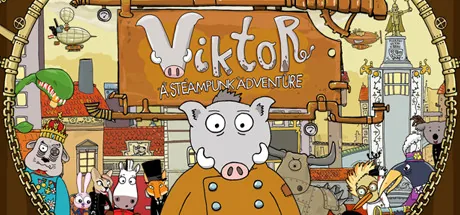
A hand-drawn point-and-click comedy about a laid-off boar's quest to become Emperor of an alternate-history Austria-Hungary — genuinely funny and gorgeous to look at, undone for a vocal minority by one hated minigame and a grindy achievement list.
A GUI-driven text adventure about a priest's disappearance and the son retracing his steps, running two timelines and two protagonists through 78,000 words of prose. Every one of its 23 Steam reviews is positive, and the achievement data backs up what reviewers say about the pacing — most players who start it see it through.
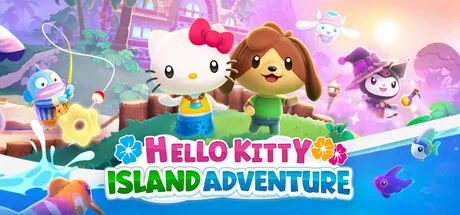
A genuinely charming, actively supported Sanrio cozy-life-sim that became a real viral phenomenon, undercut by real mobile-port friction on price and time-gating, and a documented monetisation reversal that a meaningful share of its own most dedicated players say broke trust.
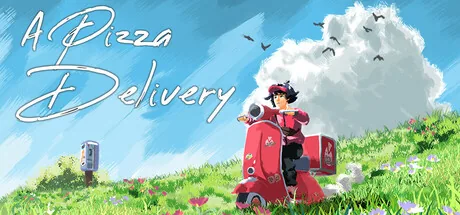
A genuinely beautiful, emotionally resonant narrative exploration game about a pizza delivery rider stuck in a looping, half-real world, undercut by a specific, widely reported mouse- focus bug and a save system that can lose an entire chapter of progress.
A solo-developed text RPG whose entire world — every location, enemy, item, crafting recipe and combat outcome — is generated live by an LLM rather than authored in advance. Very Positive across its Steam review history, but the negative sample converges overwhelmingly on one thing: the AI itself, arbitrary and occasionally incoherent, sitting between the player and every choice they try to make.
A short, gorgeously presented puzzle-adventure built around a genuinely clever core mechanic — shifting entire rows and columns of the world to move yourself — whose puzzles rarely escalate past their opening ideas and whose YA-inflected writing draws consistent criticism even from its own fans.
A 1950s British nuclear-disaster survival-mystery whose atmosphere and detective-driven structure draw real, specific praise even from its own harshest critics, who nonetheless argue the game never commits to being any one thing — and whose most-upvoted single complaint isn't about design at all, but an undisclosed always-online requirement on a single-player game.
A tiny, no-combat runner/metroidvania about a cat who can't fight and can only sprint past danger — a nearly five-year-old Early Access project the developer just released for free after its funding fell through, reviewed on its complete review sample old and new.
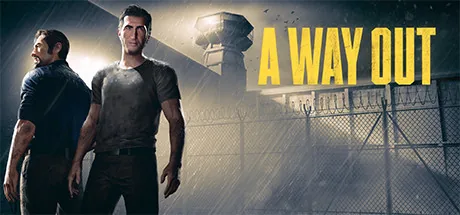
Hazelight Studios' prison-break co-op predecessor to It Takes Two and Split Fiction remains Very Positive across more than 102,000 Steam reviews for its inventive, purely two-player design — but this review can confirm a real, still-current complaint It Takes Two eventually resolved: A Way Out's mandatory EA App launcher continues to cause connection failures, crashes and Steam-invite friction in reviews dated as recently as August 2025, with no fix announcement found anywhere in the developer's own Steam communications.
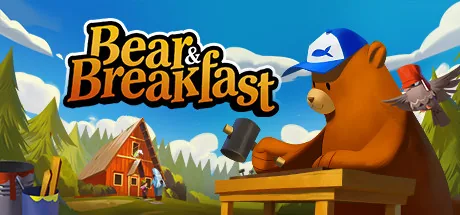
A charming, well-written bed-and-breakfast management game about a bear renovating forest cabins for human guests, whose extremely consistent negative-review complaint — genuine charm wrapped around slow, repetitive, empty gameplay — recurs so often that it reads as the honest consensus rather than a minority view.
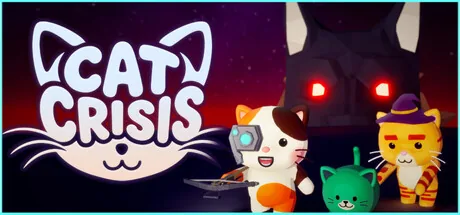
A first-person co-op roguelite where up to four cats sneak past dogs to rescue kittens, spend break-in cash on crossbows and grenades between runs, and try to outlast an escalating house — priced at $2.99 and one day old, with a single user review and no achievement list yet to check its own claims against.
A gorgeous voxel-built cyberpunk delivery-driver story that most of its own fans agree is close to a walking (or rather, flying) simulator — Very Positive at 86.2% across 8,209 reviews, propped up almost entirely by atmosphere and writing, with an unusually large and specific negative corpus arguing the actual moment-to-moment gameplay barely exists.
A two-person team's 2D Metroidvania with Souls-like combat, launched into Early Access on 5 August 2026 with a full campaign already playable, an equipment-driven build system, and a planned 6-to-12-month road to 1.0.
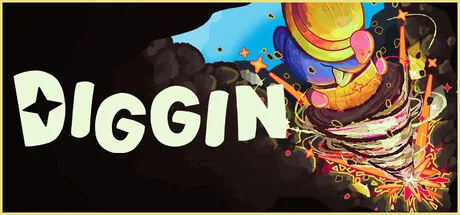
A short, charming incremental about a young mole drilling into a meteor crater — genuinely distinctive for giving its dig-upgrade-repeat loop an actual story, but held back by spiky progression pacing and a back half that plays itself.
A gorgeously painted, nostalgic coming-of-age story whose watercolour art draws near-universal praise, undercut by a consistent and specific complaint — echoed even by its fans — that the interactivity underneath is shallow, clunky and short enough that many players never see it through.
A co-op fantasy action-RPG that opened Early Access to a rare thing in this library — a completely unanimous English review sample. Every review so far is short, enthusiastic, and upfront that it's judging a promise more than a finished game.
A top-down sci-fi survival-crafting game built around two protagonists who trade places at dusk — one built for exploration and building, one built for the enemies that only come out at night — five months into an Early Access build that is still visibly finding its footing.
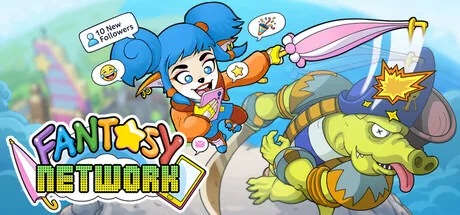
A hand-drawn metroidvania about umbrella combat, talent-show boss fights and an in-game social network, reviewed on launch day — six years after it was first announced as a very different game on a very different platform.
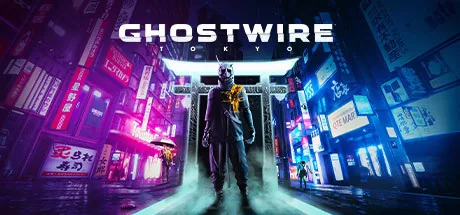
Tango Gameworks' supernatural open-world action game remains Very Positive across more than 20,000 Steam reviews for its genuinely striking, densely realised recreation of Tokyo — undercut by a real, remarkably consistent "beautiful but repetitive" complaint about its combat and side content, and by a specific, unusual, dateable controversy this review can confirm directly: Bethesda added Denuvo DRM to the game roughly a year after launch, bundled inside what its own update was billed as free content.
A genuinely beautiful open-world dress-up game whose Steam score is a permanent record of the worst month in its life — and whose players describe it, accurately, as both a work of art and a predatory gacha.
A NZ$7.39 first-person forest-chopping incremental from Inner Realm Studios and Dumb Duck Games — 680 Steam reviews at 82.5% positive, checked against a full pull of every English negative review and the game's own achievement-completion curve, both of which land on the same structural complaint: a strong first two hours, then a wall.
A 2019 semi-idle party RPG that most of its audience genuinely likes — except the small, verifiable slice of English-speaking buyers who kept hitting the same unresolved one-minute crash bug for five straight years, on a game whose developer stopped posting updates in 2021.
A live-action interactive drama about a double-agent infiltrating a collaborationist spy agency in Japanese-occupied Shanghai in 1939, built on genuine branching and a day-cycle resource system, undercut by a narrative its own dedicated audience says leans far harder into romance than the espionage thriller it was sold as.
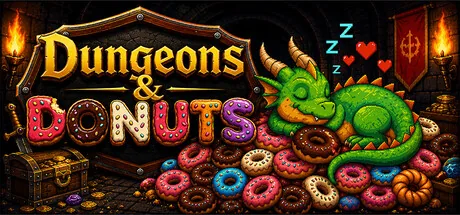
A memory-match card grid wrapped around a genuine dungeon-crawling RPG — flip pairs to fight monsters, loot treasure and trigger traps, then take what survives back to a Guild hub to level a deck capped at eleven cards.