A decade-old mobile idle game about running a chicken farm into the stratosphere, held together by a prestige loop, an artifact-crafting layer, and — unusually for the genre — timed co-op contracts that only work if other people show up.
A thirteen-year-old trucking sim so meditative and beloved it has its own devoted subculture — now navigating a real, escalating backlash from its own longtime fans over a 2024-2025 UI overhaul many say broke what wasn't asking to be fixed.
A single-shard spaceship MMO where losses are permanent, the economy is entirely player-built, and your character keeps training on a real-world clock whether you're logged in or not. Twenty-three years old, recently rebranded by its own studio, and still the sharpest argument in the genre for why risk has to be real to mean anything.
Obsidian shrinks you to the size of an ant and lets that single premise reshape exploration, combat and crafting all at once. Nearly four years after 1.0, the backyard is still one of the smartest survival maps in the genre — even as Obsidian's attention has visibly moved on to the sequel.
A solo developer's early-2000s-styled horror PvP and co-op shooter, framed as a cursed childhood game whose servers mysteriously reopened — reviewed on a complete, entirely positive 25-review sample spanning English and a notably large Spanish-speaking fanbase.
A decade-old physics-puzzle co-op favorite still getting free content updates today — and still, nearly a decade later, drawing a specific, sustained complaint from Linux owners about a 2018 platform decision that's never been reversed or clearly explained.
Hazelight Studios' GAME OF THE YEAR-winning co-op adventure remains one of gaming's most celebrated couch-co-op experiences, Overwhelmingly Positive across more than 266,000 Steam reviews and independently confirmed to have sold over 23 million copies — undercut for a real, recurring minority of players by a genuinely dark, forced late-game "torture" sequence, and by online connectivity friction this review can confirm was substantially, though not entirely, fixed by a documented May 2024 update removing the mandatory EA Launcher requirement.
The action RPG that turned build crafting into something you can actually read and steer — fifteen masteries, a specialization tree on every skill, and deterministic crafting — held back by a campaign nobody replays and an endgame that runs out of new ideas before you do.
A co-op zombie classic still Overwhelmingly Positive 17 years on, beloved for exactly what it doesn't have — no loot boxes, no unlocks, no grind — held back for the entire span of its Steam review history by one specific, remarkably persistent complaint about its Versus community.
A deep, one-time-purchase game-development tycoon that over 2,300 English reviewers rate more highly than its own predecessor — as long as you're happy solving its systems rather than expressing yourself through them.
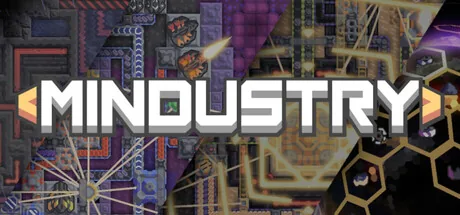
A factory game where your conveyor belts double as your ammo supply, so a bottleneck in copper isn't a spreadsheet problem, it's a hole in your wall. Free and open source on Android and itch.io, a paid one-off on Steam, and one of the most distinctive marriages of automation and tower defence around.
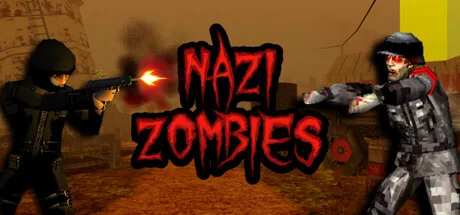
A free, PS1-textured love letter to World at War and Black Ops 1's original Zombies mode, built by a small team that shipped ten hotfixes in its first five days — including one that directly fixed the exact balance complaint players were posting about at the same time.
A top-down sandbox RPG that spent six years in Early Access building the one system that actually separates it from the Terraria-likes around it — recruit settlers, hand them jobs, and your colony keeps working while you're off fighting something in a cave.
Team Ninja builds a three-stance, Ki Pulse-driven combat system deeper than almost anything else in the genre, then buries a big chunk of its own goodwill under Diablo-scale loot noise and mission design that leans hard on reused level layouts.
The most complete redemption story in gaming, a decade on. The 2016 launch reviews and the 2026 ones are describing almost different games — and the newest wave of criticism has nothing to do with the old one.
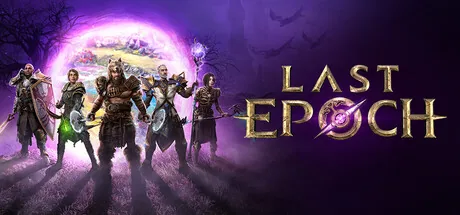
Grinding Gear Games rebuilt combat around commitment and rhythm instead of clear speed, redrew the passive tree and skill-gem system from the ground up, and is still rebuilding the endgame around them nineteen months into Early Access — a genre-defining campaign wrapped around systems that are still visibly under construction.
An emotionally overwhelming, near-universally acclaimed western epic — undermined for over six straight years by a mandatory launcher that reviewers say can prevent you from playing even the offline single-player campaign, and a 2024 "Labor of Love" award many felt the game's own neglect made absurd.
A third-person roguelite where every pickup multiplies the last one while a fixed difficulty clock keeps climbing underneath you — number-go-up design wearing a shooter's clothes. Reviewed against the game's full history, including the DLC launch Gearbox itself admitted put the PC version "in a really bad place," and the year it took to fix.
Eight years after release and still getting a major update every month, Rust remains the most uncompromising survival game ever made — and the one whose own veterans write the funniest negative reviews about how much of their lives it took.
A co-op drug-empire sim that turned into one of the biggest word-of-mouth hits of the past two years, built almost single-handedly and beloved for exactly the reasons Breaking Bad was — right up until the empire is built and there's nothing left to do with it.
A decade in Early Access ends with Drilling Thunder, a genuinely substantial 1.0 update that finally gives Scrap Mechanic's celebrated building physics a full story campaign — while leaving the host-dependent multiplayer that has bugged players since 2016 exactly as it was.
A top-down action-roguelite from the studio behind Dungreed, built around a Tetris-style artifact inventory that turns loadout planning into its own puzzle game — dense, generous with content, and let down late by a damage-sponge final boss and a steep endgame DPS wall.
A small Paris studio built a turn-based CRPG on Dungeons & Dragons' free 5.1 rules document rather than a paid brand license, and the result plays closer to an actual tabletop session than any of its bigger-budget rivals — verticality, light and darkness included — while looking and sounding like exactly the smaller production it is.
A cozy management game about dying, and one of the few games that earns the crying its reviews describe. The management half is fetch quests and minigames — which is the honest thing to tell you, because the store page sells it the other way round.