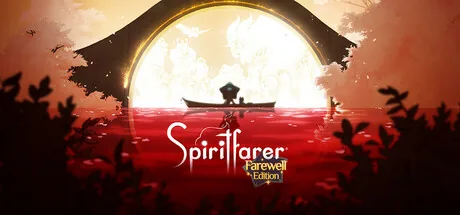
The sequel keeps the first game's text-only school-of-magic formula intact and pours the budget into scope instead — a bigger spell list, a crew of Wizards you can delegate to, and a familiar system that splits its own fanbase down the middle.
A near-universally beloved web-swinging superhero game whose PC port has carried an unresolved, save-corrupting crash bug since the day it launched — persisting across three years of patches and still blocking full completion for some players.
A well-regarded, atmospheric post-apocalyptic shooter whose reputation was genuinely damaged by a real 2019 Epic Games Store exclusivity controversy and a cluster of specific, long-unfixed bugs — but whose negative reviews have declined sharply since, consistent with a history that's now largely settled rather than an ongoing problem.
The most complete redemption story in gaming, a decade on. The 2016 launch reviews and the 2026 ones are describing almost different games — and the newest wave of criticism has nothing to do with the old one.
The game that brought the isometric party RPG back from the dead, and spent a decade being judged against a memory of Baldur's Gate rather than on its own terms. Fewer than half its buyers finish Act I — but the ones who push through average eighty hours.
One of the most acclaimed RPGs ever written, still holding a 94.4% lifetime score nine years into its Beamdog remaster — and its own recent reviewers are refreshingly honest that the combat everyone warns you about really is the weak point, not a myth built by contrarians.
A genuinely fresh, emotionally resonant sci-fi shoot-and-hack adventure from Capcom, six years after its original 2020 announcement, praised near-universally for its unusual father-daughter bond and inventive combat — undercut for a real, consistently repeated share of the sample by a combat loop that grows repetitive in its back half, and by genuine, well-documented Denuvo DRM access problems affecting even paying, non-piloting players.
Arkane Austin's 2017 immersive sim remains Very Positive across more than 54,000 Steam reviews, widely regarded as one of the genre's finest achievements — a reputation this review can confirm survived the closure of the very studio that made it, when Arkane Austin was shut down entirely by Microsoft in 2024, and a real controversy over the game's own title, which this review can confirm Bethesda forced onto an unrelated story over the objections of Arkane's own founder.
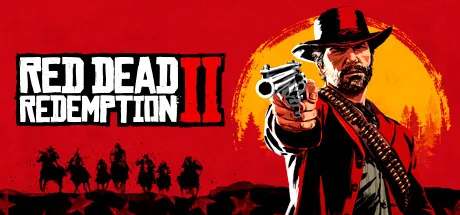
An emotionally overwhelming, near-universally acclaimed western epic — undermined for over six straight years by a mandatory launcher that reviewers say can prevent you from playing even the offline single-player campaign, and a 2024 "Labor of Love" award many felt the game's own neglect made absurd.
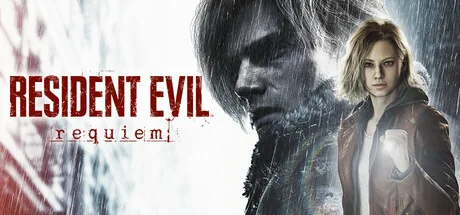
A survival-horror triumph in its first half and a widely-debated tonal collapse in its second, wrapped around Capcom's biggest launch of the year — Overwhelmingly Positive across more than 100,000 Steam reviews and 8 million copies sold, while a large, detailed share of that same sample argues the game falls apart exactly when it should be building toward its climax.
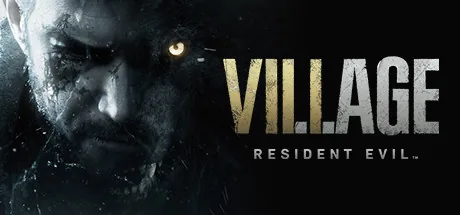
A gorgeous, genre-blending horror-action sequel to Resident Evil 7 — beloved broadly, but facing a real, consistent identity debate from series fans who miss the tighter, scarier tone that came before it, plus a launch-week DRM performance problem that's echoed the franchise's reputation years later.
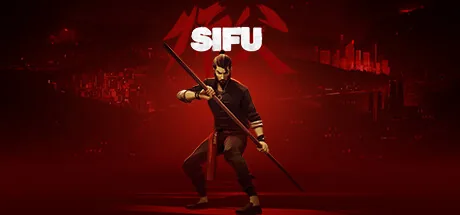
A stylish, cinematic kung fu brawler whose biggest obstacle is entirely by design — a parry-and-dodge combat system reviewers repeatedly call harder than Dark Souls, Elden Ring or even Sekiro, backed up by a Platinum achievement completion rate of just 1.5%.
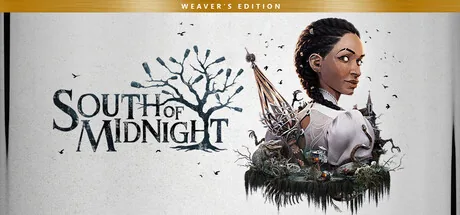
A visually extraordinary, deeply personal Southern Gothic folktale from Compulsion Games, praised almost universally for its art, music and story, undercut by a real, consistently repeated complaint that its combat grows tedious well before the credits roll — released into a genuinely poignant real-world backdrop in which Xbox reportedly began shutting down the studio that made it only months after publicly celebrating its Peabody Award win.
A potato-powered clicker that spends its idle timers on story instead of retention, and then does the one thing almost nothing in the genre does — it actually finishes.
A cozy management game about dying, and one of the few games that earns the crying its reviews describe. The management half is fetch quests and minigames — which is the honest thing to tell you, because the store page sells it the other way round.
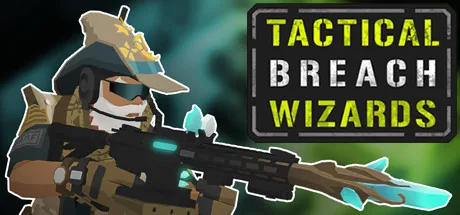
A genuinely original turn-based tactics game — wizards in kevlar defenestrating enemies through fixed, puzzle-like encounters — that critics and most players love, but that a real, persistent minority bounces off within a couple of hours for advertising a freedom the game doesn't actually offer, plus a quippy writing style that divides its own fanbase.
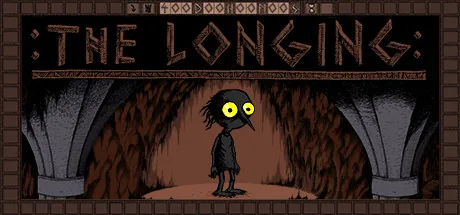
A game whose central mechanic is a 400-day countdown that runs whether you play or not — the most literal treatment of idle time anyone has attempted, and it's 92.3% positive six years on.
A surreal breakup-simulator that mashes turn-based RPG combat, skateboarding and competitive cooking into one story about confronting your exes and your family — Very Positive at 97.2% across 248 reviews, with a tiny but sharply consistent negative sample naming the same two soft spots, clunky skating and combat that turns repetitive, against writing and art almost nobody disputes.
Respawn Entertainment's 2016 shooter remains Overwhelmingly Positive across more than 284,000 Steam reviews, widely regarded as one of the finest FPS campaigns ever made — a reputation shadowed by a genuine, years-long multiplayer DDoS crisis this review can confirm directly from the developer's own communications, and by the mandatory EA App launcher requirement that recurs as a real, persistent complaint even in reviews from Steam Deck-era players decades removed from launch.
A tactics RPG built on genuine terrain manipulation and a persuasion-driven branching story, from the producer behind Bravely Default and Octopath Traveler — and a game whose own Steam reviews argue at length about just how much dialogue sits between its battles.
A tactical fantasy RPG where you never actually give a combat order — you write a standing set of instructions for each unit and then watch your army carry them out, which makes it one of the closest things a big-budget console release has come to an automation game.
A wordless puzzle game that tells a person's life story entirely through the boxes they unpack across eight house moves -- BAFTA Game of the Year winner and Overwhelmingly Positive on Steam, with a value complaint so uniform across five years of reviews that even most of its fans raise it unprompted.
A narrative "cozy" tea-shop game from The Stanley Parable creator's studio that deliberately refuses catharsis in favour of sitting with discomfort — a design choice its own highest-voted review frames precisely as "this is therapy, not catharsis," which a substantial minority of players found genuinely frustrating rather than illuminating, especially a mechanic that wipes everything a player has built at the end of every act.
A long-running brawler franchise's biggest gamble in years — swapping real-time combat for a turn-based JRPG system — paid off with the series' best critical reception yet, though a vocal minority of longtime fans still argue the new combat never matched the writing around it.