Idle Wizard
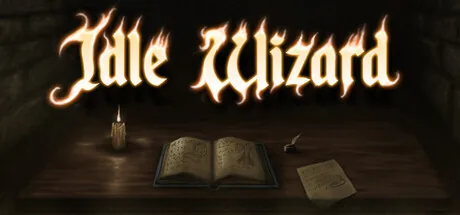
A 2019 Steam idle-RPG where the class you pick isn't a build for life — it's a costume you're expected to change every run, and the game is built to make that swapping the whole point.
7.5 / 10
Browse by genre
787 RPG games reviewed and scored, best first.
787 reviews
A 2019 Steam idle-RPG where the class you pick isn't a build for life — it's a costume you're expected to change every run, and the game is built to make that swapping the whole point.
7.5 / 10
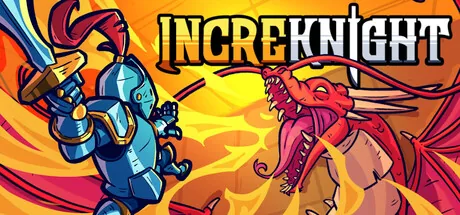
SUPERita's solo debut turns the incremental genre inside out — instead of walking away and letting numbers climb, you're stuck in a shrinking arena with a collapsing ceiling, spending loot on a talent tree and four companions between waves of monsters guarding a dragon's lair.
7.5 / 10
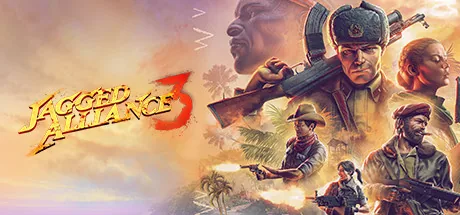
The first genuine successor to a beloved 1999 tactics classic in over two decades — a competent, often very good mercenary squad RPG that a vocal share of the original's veteran fanbase says simplified too much of what made Jagged Alliance 2 legendary.
7.5 / 10
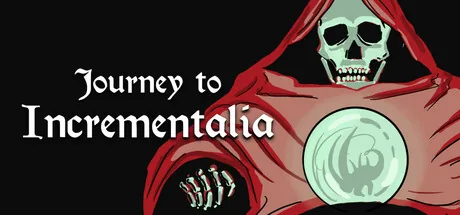
A NZ$7.39 solo-developed incremental auto-battler about a necromancer smashing 99 walls — Very Positive across 911 reviews, and honest about being "Active Incremental" even though Steam's own Idler tag oversells how passive it is. The build freedom the store promises is real, but a full-respec-only skill tree with no saved loadouts turns a lot of that freedom into manual busywork, and the solo developer's patch trail goes quiet in May 2025.
7.5 / 10
A squad-based open-world RPG with no main quest, no level cap on how far you can fall, and an engine that has been fighting its own interface since a Steam Early Access launch in March 2013 — five and a half years before the "release date" most storefronts show. Its systemic freedom is genuinely unmatched; its performance and UI never caught up to the ambition.
7.5 / 10
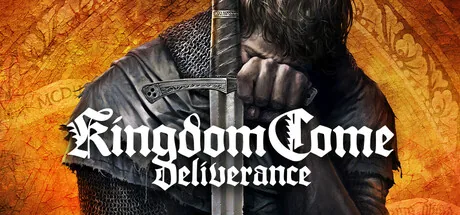
An ambitious, unusually grounded medieval RPG whose historical immersion and storytelling are still praised even by its harshest critics — undercut by a combat system reviewers say only really works one-on-one, persistent bugs eight years on, and two fresh 2026 controversies: a retroactive EULA change requiring a third-party account, and an allegation that Warhorse replaced a human translator with AI.
7.5 / 10
A grid-based dungeon crawler built as a direct, loving homage to 90s Might & Magic and Wizardry, rated Very Positive by a small but near-unanimous review base that mostly agrees on one thing — it's an improved version of its own predecessor rather than a bold step forward.
7.5 / 10
A first-person idle dungeon crawler that sells you the whole game once, then gets out of the way — its classless skill system and guild-building give it real depth, even if its offline expeditions undersell the "idle" in the title.
7.5 / 10
A six-month side story that began life as DLC for Infinite Wealth and still plays like one in places, following Kazuma Kiryu through his faked-death years under the alias Joryu. The brawling and the finale land; the padding in between and a price tag built for a longer game are the recurring complaints from its own audience.
7.5 / 10
Read review of Like a Dragon Gaiden: The Man Who Erased His Name
A free turn-based RPG built from world literature, run on a coin flip, updated every fortnight for three and a half years — and criticised almost exclusively by people with two hundred hours in it.
7.5 / 10
A five-dollar semi-idle RPG that sends three-adventurer teams into dungeons on their own while you sort, salvage and re-gear what they drag back — and a look at whether that loop still has somewhere to go once the opening classes stop being new.
7.5 / 10
A nine-person Shanghai debut builds a hand-drawn action RPG around a parry that can't be spammed, and mostly wins the argument — undone by a text layer that clearly needed another month.
7.5 / 10
Twenty-two years before "life-skill game" became a genre, Mabinogi built one — a rank-based skill system and an ageing/rebirth loop that still let a character who never fights become a genuinely finished build, currently mid-transplant into a new Unreal Engine 5 body.
7.5 / 10
A mobile adaptation of Nexon's beloved 2004 PC MMORPG that went from a widely mocked teaser trailer to South Korea's Game of the Year, largely on the strength of a monetisation model its own audience specifically praised for restraint — not yet available in English.
7.5 / 10
A free, deliberately one-hour incremental game about training a commoner into a master archer, honest about its own scope and warmly received for it, though its own audience is split on whether an incremental game should ever have a definite ending.
7.5 / 10
A one-person, text-first incremental about running a school of wizards that keeps almost everything on a single screen of menus, and turns dying to a boss into the moment its retirement system finally starts paying off.
7.5 / 10
A superb remaster of one of the best sci-fi trilogies ever made, wrapped in a DRM requirement so unpopular it dominates the negative reviews almost completely — a single-player game bought on Steam that still won't run without a separate EA login.
7.5 / 10
A party-based incremental RPG that hands you only the healer and makes that the whole point — 200-plus skill-tree nodes built around keeping a self-sufficient, self-important party alive, wrapped in a tight four-hour campaign that starts stronger than it finishes.
7.5 / 10
Overhype Studios' turn-based tactical RPG follow-up to the beloved Battle Brothers trades its predecessor's medieval mercenary band for a strike force fighting an unknown threat on a lawless sci-fi frontier — Very Positive on Steam and widely praised as a genuinely fresh spin on the XCOM formula, held back by a specific, restrictive supply system and timed-mission design that fans and critics alike agree feels at odds with careful tactical play.
7.5 / 10
Home to one of the most inventive systems in action RPGs — a system its publisher then patented, blocking every other studio from building anything like it, a decision reviewers are still angry about years after the studio that made it, Monolith Productions, was shut down.
7.5 / 10
A solo developer's take on RuneScape-style skilling, rebuilt as a multiplayer idle game with a real player-driven economy — and a cow theme it commits to with a straight face.
7.5 / 10
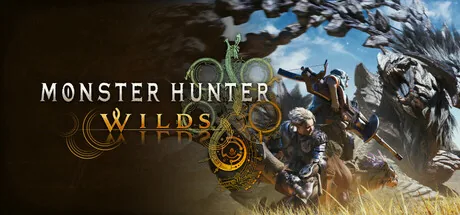
Capcom's biggest Monster Hunter yet strips away almost everything that used to make the series hard to love — and a lot of what used to make it worth loving. A phenomenal hunt loop wrapped around a launch-year PC performance crisis and an endgame that shipped thinner than the marketing suggested.
7.5 / 10
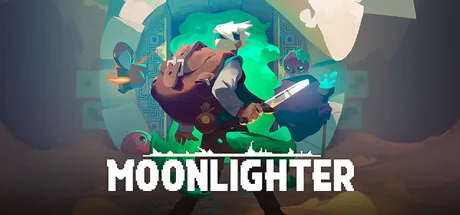
Moonlighter splits itself between a dungeon-crawling roguelite and a shop-management sim, and the two halves are tied together by a genuinely clever idea — you set your own prices and read the customers to find out if you got it right. The question worth answering eight years on is whether that idea, and the combat around it, still hold up once the spreadsheet gets written.
7.5 / 10
The finest medieval battle simulator ever built, wrapped in a sandbox its own fans say is thinner than the 2010 game it replaced. Its most-upvoted negative review is a list of features Warband had and this doesn't.
7.5 / 10