A NZ$4.99 sandbox life-sim RPG about being a cow — juice anything, weave anything into a basket, burn everything, and grind 13-odd skills across a warm, sincerely queer world. Small review sample, but a startlingly consistent one.
A deceptively deep survival sim that runs entirely on cards instead of free movement — brutal, granular and beloved by its fans, but gated behind an interface several reviewers call the real enemy.
A NZ$7.39 visual novel dressed up as a clicker game from npckc, in which a hero who fails to rescue the princess spends two-odd hours making amends by growing magic berries — Very Positive at 95% of 79 reviews for its storybook art, warm cast and unusually deep accessibility options, with the one consistent complaint being that the "clicker" half thins out into repetitive quota-grinding by the later routes.
A colony sim that turns its whole progression system into a programming lesson — you don't unlock better robots, you unlock better scripts, and the game lives or dies on whether that scripting language can keep up with the colony you build with it.
A submarine survival-horror sim where the alien monsters outside are rarely the reason a run ends badly — its own review corpus is unusually consistent that the biggest threat is the crew, whether through griefing, incompetence, or seven years of accumulated engine jank.
A co-op game about walking and talking with friends, from the Untitled Goose Game studio — shipped two days ago without a separate voice volume slider, so half its reviews are the same polite request written 1,400 different ways.
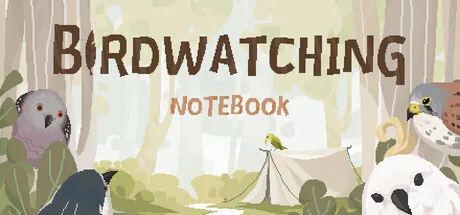
A desktop-postcard idle game about attracting and photographing over 130 real bird species, charming enough to convert players who weren't birdwatchers or idle-game fans going in — held back at launch by a genuinely rough technical start that the developer has spent the months since steadily patching away.
A factory-automation colony sim where the terrain itself is a resource — you mine the ground you build on, dump waste that physically piles up, and the island's shape becomes a side effect of every production decision. Four years into Early Access, with two to four more to go by the developer's own estimate.
A Kickstarter-funded cozy bunny-baker life sim that earned an Overwhelmingly Positive Steam badge and a genuinely tiny, fully-readable negative sample — one whose most substantive complaints, thin post-recipe content and an awkward split-screen co-op mode, echo patterns this outlet has flagged elsewhere without dominating the game's reception the way they have for bigger releases.
A NZ$7.39 first-person clicker that spends most of its three-to-six-hour runtime pretending to be a joke about number-go-down before revealing a real escape-room puzzle structure — checked against a 442-review corpus and achievement data showing only about one buyer in nine ever reaches the end.
Sad Panda Studios' idle dating sim is a genuine time-blocking resource-allocation game wearing an anime pin-up costume, still shipping new characters and events after almost a decade — and still leaning on the same event-currency pressure its own players complain about.
A genuinely deep, cozy coffee-shop management sim with a near-spotless review record, backed by a developer shipping updates almost daily since launch — its handful of launch-week bugs are already patched history, leaving a fair pacing critique as the most substantial thing left to say against it.
Kojima Productions' sequel arrived on PC nine months after its PlayStation 5 exclusive launch with one of the best-optimised AAA ports in recent memory and genuinely expanded delivery and combat systems, sitting Overwhelmingly Positive across nearly 26,000 Steam reviews — tempered by a real, remarkably consistent complaint from longtime fans that its writing, pacing and a hand-holding new companion character fall well short of the original's atmosphere and restraint.
Rat Monthly's pocket-sized incremental has you excavating relics tile by tile and building a museum around them — a review of whether its two-to-three-hour runtime earns its Overwhelmingly Positive reputation, or just ends before the cracks show.
Arkane's supernatural stealth-action sequel remains Very Positive across more than 66,000 Steam reviews, widely regarded as one of the finest immersive sims ever made — a reputation that survived a severe, well-documented 2016 launch-performance crisis this review can confirm was genuinely fixed, though a separate, newer, still-unresolved AMD CPU plus Nvidia GPU launch-failure bug persists in reviews dated as recently as August 2025, alongside real, current uncertainty over Arkane's own future following a July 2026 Xbox restructuring.
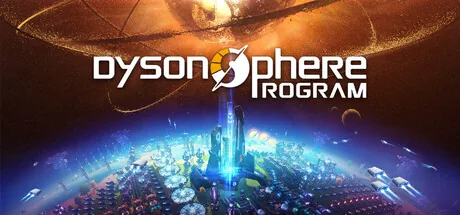
A factory-automation game whose endgame isn't a bigger number but a visible megastructure eclipsing a star. Five years into Early Access, the premise is still the best in the genre — the question is whether the game around it has caught up.
A single-player RPG built to feel like a classic MMORPG raid night, populated entirely by NPC "SimPlayers" who level, group up and loot alongside you — a genuinely novel hook wrapped around an Early Access game still finding its footing on UI, quest clarity and combat feedback.
Erik Asmussen strips the conveyor belts and airships out of his own Factory Town and rebuilds the same economy as a menu-driven idle game — a genuinely distinct reimagining that nails offline progression but never quite explains the numbers it wants you to obsess over.
A turn-based Mars colony-builder its own fans call "the game I've been looking for for decades" — SimCity and Theme Hospital without the real-time pressure — divided by a card-draw terraforming system some players find satisfyingly puzzle-like and others call too random to plan around.
A deep, genuinely meditative agricultural sim that reviewers describe finding real therapeutic value in — held back for years by the same specific, franchise-wide complaint about hired-worker AI, and a biennial release cycle some longtime fans feel delivers too little new for the price.
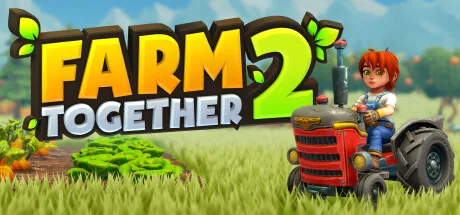
A cozy co-op farming sequel whose year-long Early Access record shows a genuinely dominant "this has less content than its own six-year-old predecessor" complaint, sharpened by a 1.0 announcement several reviewers describe as blindsiding the community — balanced against extremely sustained post-launch development and a real, growing share of players calling the sequel a clear improvement over time.
A medieval survival city builder from the makers of Grim Dawn that spent three years building the deepest farming and disease system in the genre, then left Early Access in October 2025 to a Very Positive Steam rating and a still-vocal minority saying the milestone patch didn't fix what was wrong with it.
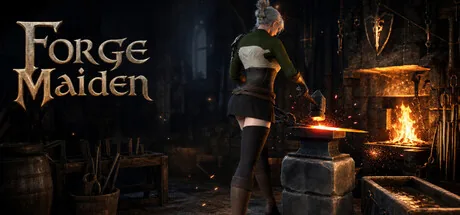
A Pomodoro-technique productivity companion disguised as an idle weapon-forging desktop pet — finish a focus session, a blacksmith maiden finishes a weapon, and you both work toward her freedom — loved so far by an almost entirely Chinese-speaking early audience.
Bluehood Games' incremental mining sim nails the first ten hours — hand-mining gives way to smelteries, upgrade trees and a claimable world map of parallel dig sites at a fair one-time price. The prestige layer that's supposed to carry the back half is where players keep hitting a wall.