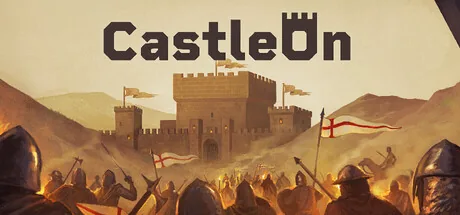
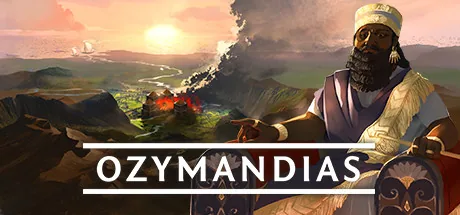
A one-day-old, solo-developed turn-based castle-builder that spent over a year in a public demo before launch — 70-plus buildings, 90-plus technologies and 50-plus historical Crusade-era Lords for a budget price, tested so far by exactly one Steam reviewer.
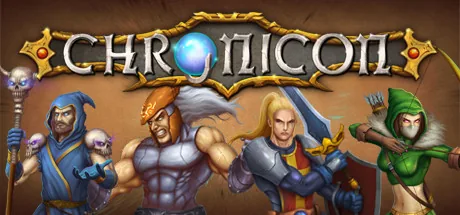
A two-person Swedish studio's pixel-art ARPG stacks skill trees, runes, sockets and artifacts into a genuinely deep build sandbox for the price of a takeaway meal — but the achievement data shows most players never see the endgame that's supposed to justify it.
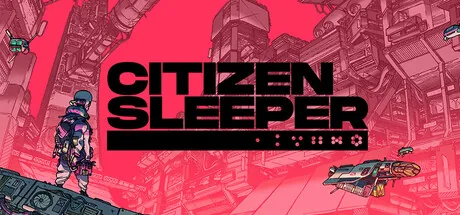
A widely acclaimed sci-fi dice-and-narrative RPG about an escaped synthetic worker eking out survival on a lawless space station, whose exceptional writing and worldbuilding are matched by an unusually consistent, detailed complaint across its own huge review sample — that the choices at its core don't actually matter once the dice mechanic is "solved."
A NZ$7.10 debut space clicker from a solo Steam developer credited only as "Tom," where tapping a dying star funds a Cookie Clicker-style building ladder, a real anti-farming safeguard on its prestige loop, and a ~40-node Dark Matter tree — checked five days into a launch with almost no reviews yet to judge it by.
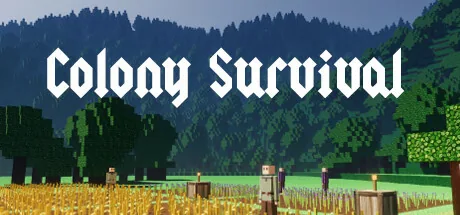
A voxel colony-building strategy game crossing Minecraft's block-by-block construction with genuine tower-defense stakes, still in Early Access more than nine years after its 2017 debut — sustained by an unusually transparent weekly developer blog and a loyal Very Positive fanbase, with a persistent, still-current complaint that its mid-to-late game never quite matches the promise of its opening hours.
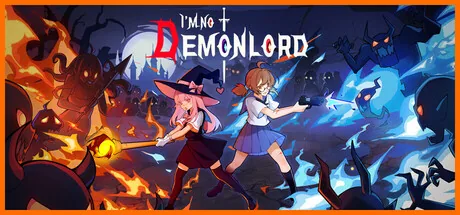
A solo-developed, Bevy-built wizard-defense roguelite where four playable archetypes control like four different games, released eight days ago to just two Steam reviews and a five-patch first week.
Weather Factory's card-driven cosmic horror sim deliberately refuses to explain itself -- a design choice its own creators later softened for its 2023 successor after eight years of Steam reviews split almost exactly along the line between players who find that opacity thrilling and those who find it simply punishing.
A 2-4 player co-op mining game about sharing one wallet, one pool of light and one simple goal — go deeper than your last run — where gas pockets, earthquakes and radiation punish anyone who pushes past what their gear can survive.
A free high-school rom-com visual novel that lets you play the romance or play the matchmaker, fully voiced in three languages, with nothing behind a paywall — the third clean release in a row from a studio that has quietly earned the right to be trusted on that point.
A one-million-word ChoiceScript interactive novel about a shipwrecked clan finding a new home, nine years in public development before its Steam launch, with one of its two writers carrying a genuinely Very Positive track record on the same imprint and zero independent reviews yet to confirm anything else.
Real chess rules underneath a board that fights back — pieces carry hit points and their own fog-of-war vision, captures aren't guaranteed kills, and a mid-turn real-time window lets you burn a cooldown spell before the clock passes to your opponent. Two days into Early Access it already has a working single-player mode against AI, up to four-player online lobbies, and eight patches.
Klei Entertainment's deck-building roguelite wraps card combat and card-based negotiation around real narrative choice — praised widely for its writing and world, while a consistent, thoughtful minority argue the cards underneath don't hold up to the genre's best.
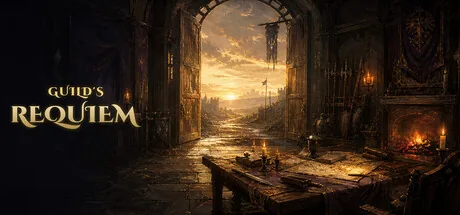
A dark fantasy deckbuilding roguelike wrapped around a guild-management hub — recruit from ten heroes, send a three-person party into the abyss with permadeath on the line, and spend what they bring back on facilities that keep the next run alive.
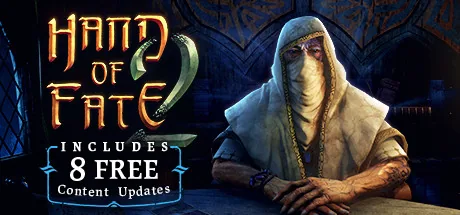
A card-and-dice tabletop RPG that most reviewers call a genuine improvement on its predecessor in almost every way except the one that matters most in the moment -- the real-time combat every encounter drops you into -- from a small Australian studio that closed for good less than two years after release.
A tactical tower defense from solo developer Tearevo built around one flying fortress under siege from every direction — a hex-grid network of turrets, resource collectors and support modules, split between grounded sieges and scrolling air battles, with a roguelite boost draw and a between-mission tech tree layered on top.
A free browser and Steam idler that swaps cookie-clicker simplicity for Path of Exile-style affix hunting, guild-like Syndicates and a marketplace — then leaves its own community to sell the experience as much as the systems do.
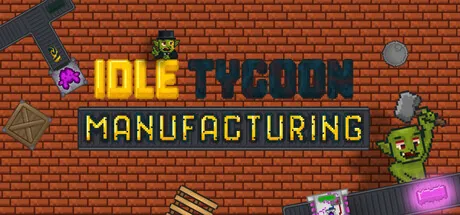
A NZ$14.99 monster-staffed factory idler from Eragone, the solo French studio behind Idle Together — checked against a review base of exactly 15 write-ups, every one of them positive, and all but one written months before the game's actual 1.0 release.
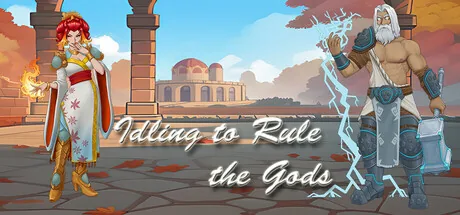
A free browser idler from 2014 that outgrew Kongregate, landed on Steam in 2016, and has spent over a decade turning shadow clones and god fights into one of the genre's longest and most demanding progression ladders.
A Chinese-developed roguelike bullet-hell shooter about a hero possessed by an escaped demon king, wrapping a huge auto-attack build-crafting system and a class-change progression ladder in an RPG genre tag it only half earns.
A minimalist incremental where every life is a countdown to a death that actually matters — the queue you plan, the story chapter you're on, and the instincts you've earned all carry forward, right up until the game itself stopped moving forward three years ago.
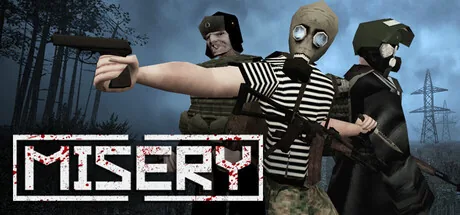
A chaotic, genuinely addictive co-op survival game set in a STALKER-flavoured nuclear exclusion zone, praised by players for its dark comedy and bunker-crawling tension even as a substantial share of the same review sample argues its "1.0" label is misleading for content this thin — and whose launch was briefly overshadowed by a real, well-documented DMCA dispute with STALKER 2 developer GSC Game World and an admitted offensive Discord incident from a member of the small development team.
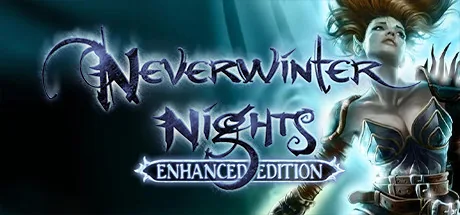
A 2002 D&D CRPG whose real product, twenty-plus years on, is its legendary toolset and community-module ecosystem — sold under an "Enhanced Edition" label that its own launch-year reviewers overwhelmingly said promised more than it delivered.
A bite-sized empire-building strategy game built to finish in under an hour, whose time-conscious pitch genuinely wins over busy players even as a large share of its own audience argues it isn't really the 4X game it's marketed as.
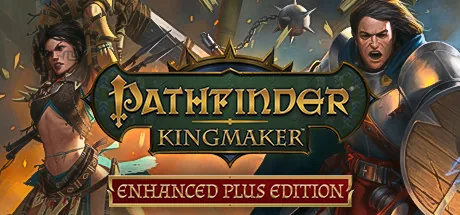
Owlcat's debut CRPG launched in 2018 famously unfinished, and years of patches earned it a real redemption arc in its own reviews — only for a 2024 change of ownership to hand it a fresh publisher-trust problem that shows up plainly in this year's numbers.