Kittens Game
A free browser incremental that hides its difficulty in storage caps and the calendar rather than big numbers — you are never fighting an enemy in Kittens Game, you are fighting your own granary.
8 / 10
Browse by platform
1892 games we have reviewed that run on Windows PC, best first.
1892 reviews
A free browser incremental that hides its difficulty in storage caps and the calendar rather than big numbers — you are never fighting an enemy in Kittens Game, you are fighting your own granary.
8 / 10
A brutal, hand-crafted top-down shooter that asks you to think in Hotline Miami's language of parries and one-hit deaths, then backs it with fifty-four stages that never repeat a trick twice.
8 / 10
The action RPG that turned build crafting into something you can actually read and steer — fifteen masteries, a specialization tree on every skill, and deterministic crafting — held back by a campaign nobody replays and an endgame that runs out of new ideas before you do.
8 / 10
A narrative-driven tactical RPG about an insurance adjuster who has to deny a claim and save the world, mixing Fire Emblem-style grid combat with a fully voiced dating-sim layer and a time-management system some players find liberating and others find punishing.
8 / 10
A co-op zombie classic still Overwhelmingly Positive 17 years on, beloved for exactly what it doesn't have — no loot boxes, no unlocks, no grind — held back for the entire span of its Steam review history by one specific, remarkably persistent complaint about its Versus community.
8 / 10
A Belle Époque retelling of Pinocchio that wears its Bloodborne influence on its sleeve, then earns the comparison with a weapon-assembly system and a guard-timing mechanic good enough to stand on their own.
8 / 10
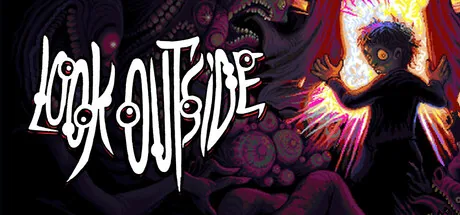
A pixel-art survival horror RPG confined to a single apartment building where glancing out a window turns people into grotesque monsters — a genuine cult phenomenon whose storytelling and atmosphere draw some of the most passionate praise this outlet has documented all year, sitting alongside a real, specific mechanical complaint cluster about a punishing save system and RNG-heavy combat from a small but consistent share of its own reviewers.
8 / 10
A deep, one-time-purchase game-development tycoon that over 2,300 English reviewers rate more highly than its own predecessor — as long as you're happy solving its systems rather than expressing yourself through them.
8 / 10
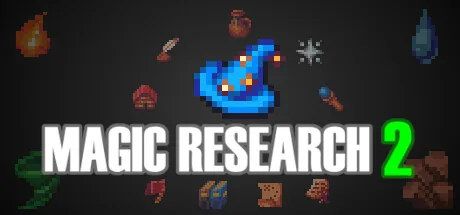
The sequel keeps the first game's text-only school-of-magic formula intact and pours the budget into scope instead — a bigger spell list, a crew of Wizards you can delegate to, and a familiar system that splits its own fanbase down the middle.
8 / 10
A near-universally beloved web-swinging superhero game whose PC port has carried an unresolved, save-corrupting crash bug since the day it launched — persisting across three years of patches and still blocking full completion for some players.
8 / 10
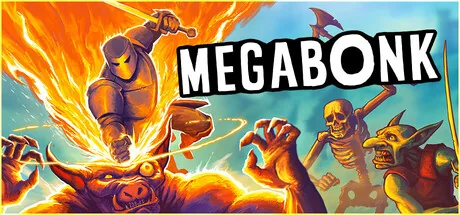
One person made a NZ$14.75 survivors-like that sold a million copies in a fortnight and sits at 94% across 104,643 reviews — and whose most invested players have been asking for the same balance pass since October 2025.
8 / 10
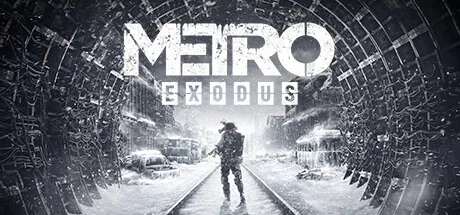
A well-regarded, atmospheric post-apocalyptic shooter whose reputation was genuinely damaged by a real 2019 Epic Games Store exclusivity controversy and a cluster of specific, long-unfixed bugs — but whose negative reviews have declined sharply since, consistent with a history that's now largely settled rather than an ongoing problem.
8 / 10
A cat-breeding turn-based tactics roguelite from Binding of Isaac creator Edmund McMillen, nearly a decade in the making — deep, absurd and genuinely inventive enough to draw comparisons to Darkest Dungeon and Sid Meier in the same breath, with real, persistent complaints about breeding tedium and interface friction that a major mid-2026 patch only partly resolved.
8 / 10
A factory game where your conveyor belts double as your ammo supply, so a bottleneck in copper isn't a spreadsheet problem, it's a hole in your wall. Free and open source on Android and itch.io, a paid one-off on Steam, and one of the most distinctive marriages of automation and tower defence around.
8 / 10
A bigger, more mechanically ambitious sequel to one of the deckbuilding roguelike genre's most respected entries, landing at 95% positive on Steam even as a genuinely coherent chorus of the original's most devoted fans argue this expansion came at the cost of what made Monster Train click in the first place.
8 / 10
A solo developer's first-person melee roguelike spent two and a half years in Early Access before its 1.0 finally gave the combat a story worth finishing and a boss worth building toward.
8 / 10
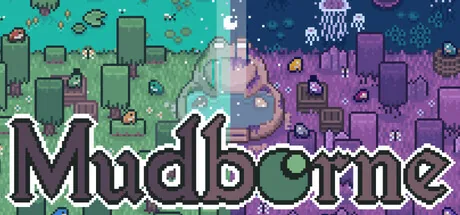
A genetics-driven frog-breeding sim from one half of the APICO team, built around discovering and cross-breeding dozens of frog species across a waking and a dreaming world -- beautifully drawn and warmly received, with real friction in its navigation, inventory and pacing that a year and a half of updates hasn't fully resolved.
8 / 10
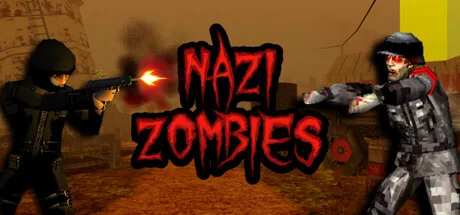
A free, PS1-textured love letter to World at War and Black Ops 1's original Zombies mode, built by a small team that shipped ten hotfixes in its first five days — including one that directly fixed the exact balance complaint players were posting about at the same time.
8 / 10
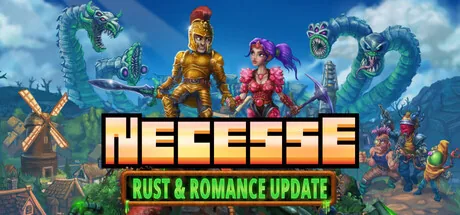
A top-down sandbox RPG that spent six years in Early Access building the one system that actually separates it from the Terraria-likes around it — recruit settlers, hand them jobs, and your colony keeps working while you're off fighting something in a cave.
8 / 10
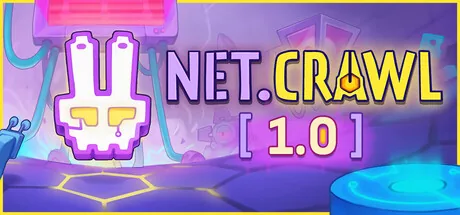
A hex-grid roguelike that swaps a conventional deck for a board you draft and build tile by tile, from the maker of the well-regarded mobile hit Cards of Terra — hitting 1.0 to a small but completely unanimous chorus of praise after what several reviewers admit was months of criminally low visibility.
8 / 10
Team Ninja builds a three-stance, Ki Pulse-driven combat system deeper than almost anything else in the genre, then buries a big chunk of its own goodwill under Diablo-scale loot noise and mission design that leans hard on reused level layouts.
8 / 10
A three-to-four-hour premium incremental about harvesting nodes and defending against waves of invaders, built with a hard ending instead of an infinite number-go-up treadmill — and popular enough to spawn an entire micro-genre of imitators.
8 / 10
The most complete redemption story in gaming, a decade on. The 2016 launch reviews and the 2026 ones are describing almost different games — and the newest wave of criticism has nothing to do with the old one.
8 / 10
An ARPG's worth of build synergy packed into an Asteroids cabinet, at thirteen dollars and 96% positive. The one thing standing between it and everybody is the control scheme — and that's a deliberate choice the game is literally named after.
8 / 10