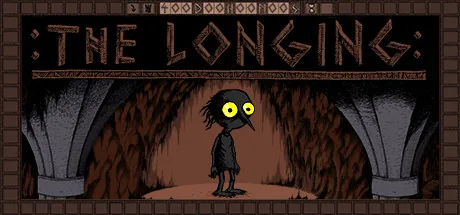
THE LONGING
A game whose central mechanic is a 400-day countdown that runs whether you play or not — the most literal treatment of idle time anyone has attempted, and it's 92.3% positive six years on.
8 / 10
Browse by platform
1892 games we have reviewed that run on Windows PC, best first.
1892 reviews
A game whose central mechanic is a 400-day countdown that runs whether you play or not — the most literal treatment of idle time anyone has attempted, and it's 92.3% positive six years on.
8 / 10
A terraforming survival-crafting game that turns a barren world into a breathable one in front of your eyes — beloved for exactly that transformation, and honestly criticized by a consistent minority for being addictive without offering much real friction or danger.
8 / 10
A surreal breakup-simulator that mashes turn-based RPG combat, skateboarding and competitive cooking into one story about confronting your exes and your family — Very Positive at 97.2% across 248 reviews, with a tiny but sharply consistent negative sample naming the same two soft spots, clunky skating and combat that turns repetitive, against writing and art almost nobody disputes.
8 / 10
A minimalist build-by-day, defend-by-night strategy game from a two-person studio that became a genuine indie hit — reviewed on its full post-1.0 record, including an achievement curve that maps exactly where players stop, and the small, sold-off, still-supported story behind it.
8 / 10
A survivors-like roguelike that reads the lyrics of any MP3 you import and turns each word into a battlefield effect — reviewed on a complete, unanimously positive 22-review sample from a solo developer's first days in Early Access.
8 / 10
A city builder where the antagonist isn't a raid or a monster roster but a drought timer, and every dam, canal and reservoir you build is really an answer to a scheduling problem. Beavers are the theme; water is the game.
8 / 10
The most austere game Zachtronics ever made, and the one whose store page promises least — which is exactly why it rates higher than the siblings that promised more.
8 / 10
Respawn Entertainment's 2016 shooter remains Overwhelmingly Positive across more than 284,000 Steam reviews, widely regarded as one of the finest FPS campaigns ever made — a reputation shadowed by a genuine, years-long multiplayer DDoS crisis this review can confirm directly from the developer's own communications, and by the mandatory EA App launcher requirement that recurs as a real, persistent complaint even in reviews from Steam Deck-era players decades removed from launch.
8 / 10
A 2012 answer to Diablo III's always-online auction house, built by former Blizzard North designers — and still worth playing today largely because of the mod scene that kept extending it after Runic Games itself closed down.
8 / 10
A widely loved grand-strategy classic whose negative sample documents a real 2018 spyware scandal, persistent Denuvo/always-online friction, and a heavily criticised DLC structure requiring ownership of a separate game to access its best campaign mode — a complaint Creative Assembly substantially resolved in December 2025 by giving Warhammer III free to owners.
8 / 10
A solo developer's follow-up to Magic Archery swaps archery for architecture, building an incremental around growing a single wizard's tower toward a definite, well-earned ending rather than an infinite number-go-up treadmill.
8 / 10
A tactics RPG built on genuine terrain manipulation and a persuasion-driven branching story, from the producer behind Bravely Default and Octopath Traveler — and a game whose own Steam reviews argue at length about just how much dialogue sits between its battles.
8 / 10
A viral internet joke that turned out to hide a genuinely inventive rhythm game underneath — you slide a mouse to actually play the melody rather than just hitting notes on a track — backed by more than three years of sustained free updates that answered its players' biggest requests one at a time.
8 / 10
The spiritual successor to Theme Hospital that launched rough — pathing bugs, a missing copy-paste room button, repetitive late-game hospitals — and, unusually for this library, has visibly improved rather than declined as measured by its own negative-review volume over time.
8 / 10
A VR-only mech-punching roguelite that reviewers routinely call one of the best physics games the headset has, praised for locomotion so smooth it solves VR's usual nausea problem — reviewed here as a genuinely mature release, since Steam's own patch history shows it's still being actively expanded two and a half years after launch, multiplayer included.
8 / 10
A solo developer's sci-fi idle game with over ten interlocking systems and players who have logged thousands of hours apiece. The reception is Very Positive, and the one recurring complaint is that late-game progress stops rewarding curiosity and starts demanding one correct answer.
8 / 10
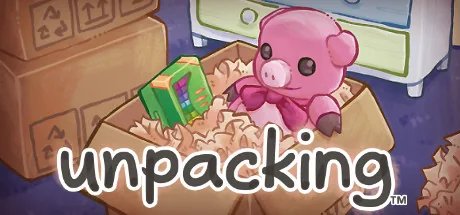
A wordless puzzle game that tells a person's life story entirely through the boxes they unpack across eight house moves -- BAFTA Game of the Year winner and Overwhelmingly Positive on Steam, with a value complaint so uniform across five years of reviews that even most of its fans raise it unprompted.
8 / 10
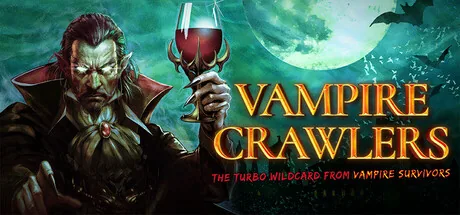
Poncle and Nosebleed Interactive take the cast of a bullet-heaven phenomenon and lock them into turn-based card combat instead. The pivot works far better than it has any right to, right up until the deck-breaking builds that make the genre fun also make the back half of a run trivial.
8 / 10
Read review of Vampire Crawlers: The Turbo Wildcard from Vampire Survivors
The deckbuilder that removed the luck. You see every reward in advance and rebuild your deck between every fight — which makes it the most controllable game in its genre, and is exactly why some players bounce off it. Six dollars, 251 achievements, and criminally under-noticed.
8 / 10
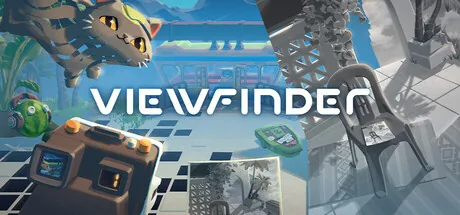
A puzzle game built around one genuinely brilliant idea — photographs you place in the world become the world, letting you reshape reality by swapping what a picture shows for what's actually there — undercut by a runtime and a script that its own fans agree don't live up to the mechanic carrying them.
8 / 10
A minimalist top-down Souls-like that strips the genre down to timed dodges, stamina management and hard-won shortcuts, earning near-universal praise for its distillation of the formula while a real minority of even its own fans admit the moment-to-moment feel never quite clicked for them.
8 / 10
A survival-crafting game with action-RPG combat and a boss list instead of a tech tree, built around a PvP fantasy that most of its players quietly opt out of. Two years past 1.0, with the studio now calling it content-complete, it's worth being precise about which version of this game you're actually signing up for.
8 / 10
A narrative "cozy" tea-shop game from The Stanley Parable creator's studio that deliberately refuses catharsis in favour of sitting with discomfort — a design choice its own highest-voted review frames precisely as "this is therapy, not catharsis," which a substantial minority of players found genuinely frustrating rather than illuminating, especially a mechanic that wipes everything a player has built at the end of every act.
8 / 10
A free-to-play space-ninja shooter that has been adding systems since 2013 without ever taking one away. Genuinely one of the most generous live-service games on the market, and one of the hardest to explain to a friend. Reviewed with Jade Shadows: Constellations current.
8 / 10