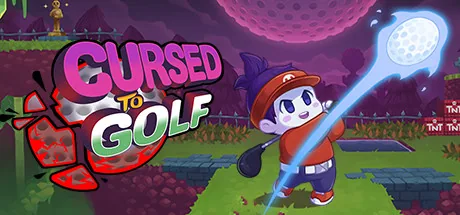
A genuinely inventive golf-precision-platformer whose own most enthusiastic players keep arriving at the same specific verdict — the game is excellent, and the roguelite structure wrapped around it is a mismatch that makes hours-long runs punishing rather than replayable.
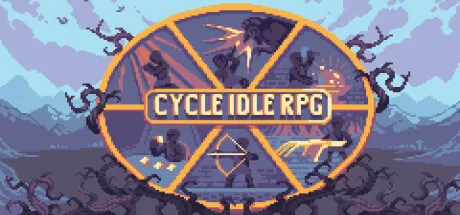
A free idle RPG with the genuine article — true 1:1 offline progression — attached to a retention design that keeps demanding you come back and play minigames by hand.
A Kickstarter-funded, GBA-era Fire Emblem homage that launched buggy and unbalanced in 2021, drew backlash for a bolted-on ad launcher and a swimsuit DLC, and has spent four years of patches earning enough goodwill to justify a 2025 sequel.
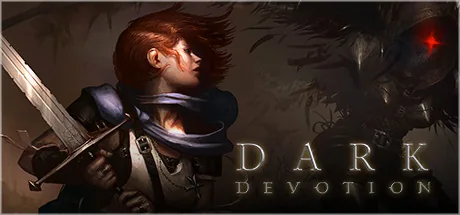
A Souls-like dark fantasy action RPG whose stamina-based combat and boss design draw strong, specific praise, built around a punishing blessing-and-curse death penalty system that the same review base credits as harsh-but-fair and condemns as arbitrarily unfair almost in equal measure.
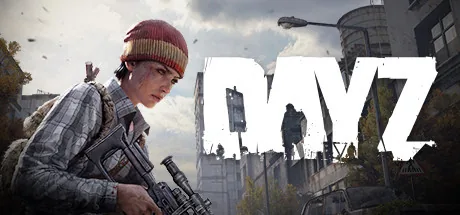
The game that arguably invented the modern survival genre from an ARMA 2 mod is still running, still brutal, and still dividing its own reviews between people who lived through its infamous five-year alpha and people just discovering how unforgiving it remains today.
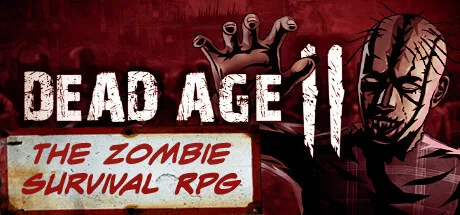
A turn-based zombie survival RPG that splits its time between running a camp and sending a squad out to fight — genuinely deep for the first stretch, but Steam's own review text and achievement curve agree it wears thin well before the credits.
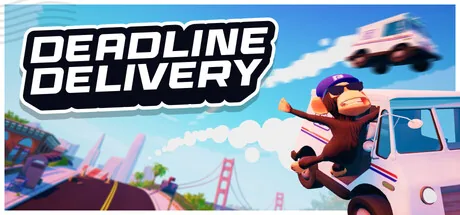
A short, stylish drift-racing game about a bomb-strapped monkey mail truck, loved by fans who call its unforgiving handling a fair skill curve and criticized just as forcefully by players who call the same physics broken — with a verified, punishing completion curve and three and a half months of developer silence underneath the debate.
A polished turn-based zombie survival tactics game that faithfully adapts the brutal, high-RNG ruleset of the Zombicide board game, drawing a wave of frustrated reviews from players who expected XCOM-style fairness instead of Zombicide's deliberately punishing chaos.
Arkane's stylish time-loop shooter won Game of the Year honours from multiple outlets in 2021, but sits Mostly Positive across more than 30,000 Steam reviews — a notably wider gap between critical acclaim and player reception than sibling title Dishonored 2, driven by a real, detailed "undershoots Dishonored and Prey" complaint from longtime Arkane fans, and by a persistent Denuvo DRM and mandatory-online requirement this review can confirm, unlike Dishonored 2's, has not been removed even five years after launch.
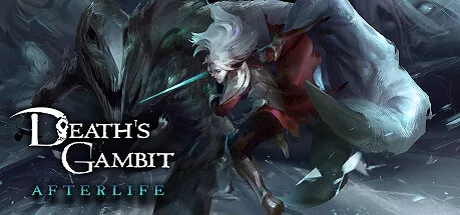
White Rabbit's 2D souls-like metroidvania launched thin and unpolished in 2018, then got a genuinely massive free overhaul three years later -- and while Afterlife fixed a lot, its own recent reviews show real, specific problems (balance spikes, no fast travel until late, a six-year-old unfixed framerate bug) that never fully went away.
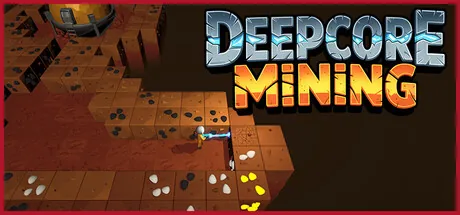
A cheap, honestly-scoped mining incremental about drilling a low-poly planet layer by layer for roughly two hours — well liked by its first handful of reviewers, with one detailed bug report worth taking seriously before you buy.
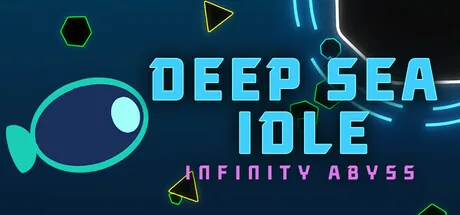
A submarine incremental where automated torpedoes, plasma and lightning chain across the screen while you mine the abyss for resources — a short, satisfying loop for most of its early reviewers, with one detailed complaint about a mid-run power-fantasy slump and an achievement curve that backs it up.
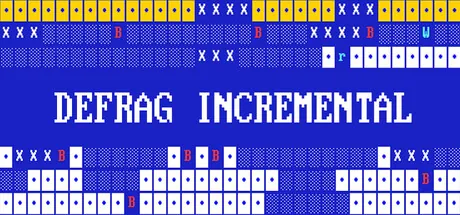
A NZ$5.11 incremental about optimising messy hard drives, whose Mixed Steam rating splits cleanly along a timeline rather than a taste — a rocky launch day the developer patched fast, and a slower, still-unresolved design gate that keeps a chunk of players stuck clicking long before the game lets them stop.
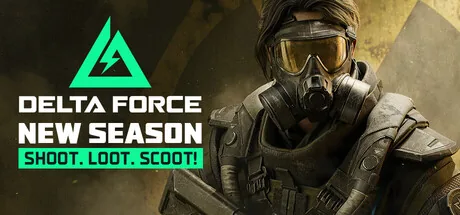
A generous, well-made free shooter whose most-upvoted review isn't about the shooting at all — it's about the kernel-level anti-cheat that reviewers say keeps running after the game is uninstalled.
A two-day-old racing game that makes you both the bettor and the horse — buy a Trifecta ticket on a track girl, then run the race yourself to try to cash it in. Thirteen Steam reviews exist so far, all of them Japanese, all of them positive, and most of them call it Uma Musume at home.
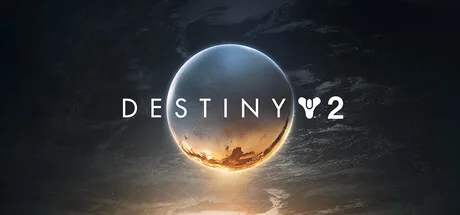
The best-feeling shooter ever made, attached to the most punishing content model in mainstream gaming. Its harshest reviews come from players with two thousand, five thousand, ten thousand hours logged — and the phrase they keep reaching for is "the best game I can't recommend".
A cheap, polished micro-incremental about rolling dice into an army of tiny fighters, genuinely well-received but consistently described by its own fans as over almost as soon as it starts, from a developer who publicly promised more content and then, fifteen months later, announced a different game instead.
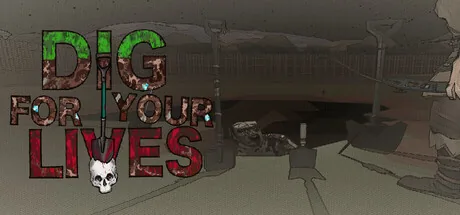
A free, chaotic co-op dig-and-defend game where up to four friends mine for loot by day and fend off zombies by night — reviewed on its complete English review sample, which reads as a genuinely fun prototype whose launch-week bugs a solo developer has been patching almost daily.
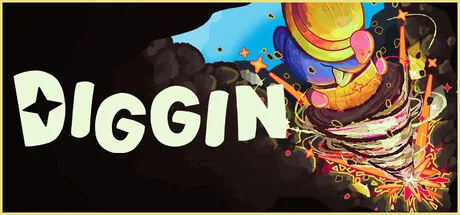
A short, charming incremental about a young mole drilling into a meteor crater — genuinely distinctive for giving its dig-upgrade-repeat loop an actual story, but held back by spiky progression pacing and a back half that plays itself.
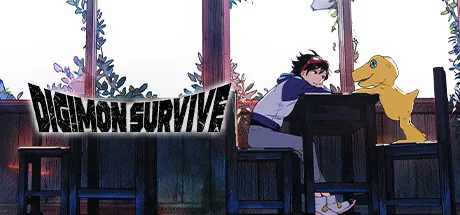
A long-delayed, darker Digimon story that both its fans and its critics agree is a visual novel first and a tactical RPG a distant second -- and whose own trailers, by wide reviewer account, misled buyers about exactly that ratio.
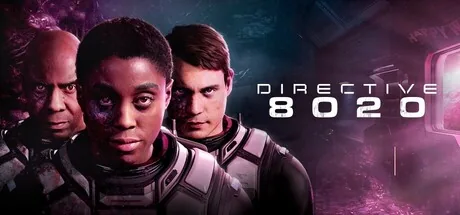
Supermassive set up the best premise they've ever had — a shapeshifting alien aboard a crashed colony ship, where the horror is not trusting the crew — and then spent the second half forgetting to use it.
A 3v3 auto-battle collector RPG about assembling a squad from 100 possible Dmon, each with a three-stat build, a four-part skill kit and its own leveled equipment — you draft the team, then watch it fight on its own across a hex-tile map.
A gorgeously painted, nostalgic coming-of-age story whose watercolour art draws near-universal praise, undercut by a consistent and specific complaint — echoed even by its fans — that the interactivity underneath is shallow, clunky and short enough that many players never see it through.
A grid-free tactical auto-battler where a debut studio builds its progression entirely around unlocking a permanent roster of up to 40 voxel heroes across 90-plus numbered challenges — a real meta-progression system wearing a much busier genre label than its mechanics actually earn, checked against a launch weekend with zero player-count evidence either way.