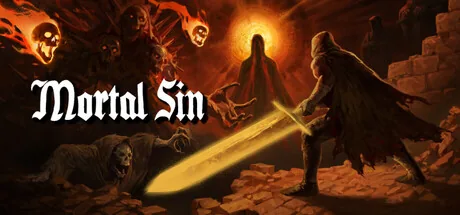
Mortal Sin
A solo developer's first-person melee roguelike spent two and a half years in Early Access before its 1.0 finally gave the combat a story worth finishing and a boss worth building toward.
8 / 10
Browse by year
250 games released in 2025 and reviewed here, best first.
250 reviews
A solo developer's first-person melee roguelike spent two and a half years in Early Access before its 1.0 finally gave the combat a story worth finishing and a boss worth building toward.
8 / 10
A genetics-driven frog-breeding sim from one half of the APICO team, built around discovering and cross-breeding dozens of frog species across a waking and a dreaming world -- beautifully drawn and warmly received, with real friction in its navigation, inventory and pacing that a year and a half of updates hasn't fully resolved.
8 / 10
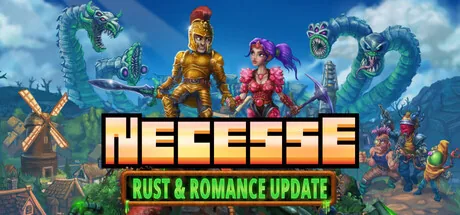
A top-down sandbox RPG that spent six years in Early Access building the one system that actually separates it from the Terraria-likes around it — recruit settlers, hand them jobs, and your colony keeps working while you're off fighting something in a cave.
8 / 10
A mobile gacha game with the gacha surgically removed, rebuilt around a custom protagonist, a town you raise from ash, and a battle system that still rewards knowing exactly when to break something.
8 / 10
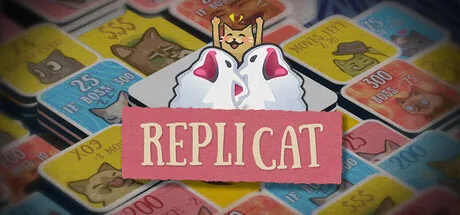
A memory-matching roguelike deckbuilder its own fans nickname "Memory Balatro," executed well enough to hold a near-spotless Steam record, with the honest asterisk — raised by fans and by its rare negative reviews alike — that it borrows its structure from Balatro closely enough that some players see homage where others see imitation.
8 / 10
A co-op drug-empire sim that turned into one of the biggest word-of-mouth hits of the past two years, built almost single-handedly and beloved for exactly the reasons Breaking Bad was — right up until the empire is built and there's nothing left to do with it.
8 / 10
A solo-developed, critically adored twin-stick shooter from a Housemarque alumnus, widely hailed by its own fanbase as a spiritual successor to Geometry Wars — Overwhelmingly Positive on Steam with a 93 Metascore, undercut for many players by a steep, unevenly tutorialised difficulty curve that even genre veterans describe as a genuine barrier to entry.
8 / 10
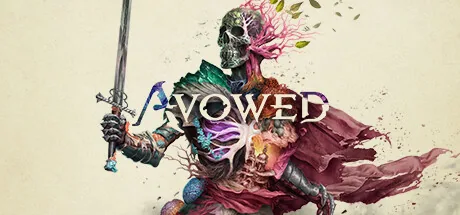
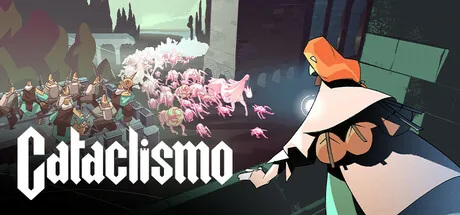
A visually extraordinary, deeply personal Southern Gothic folktale from Compulsion Games, praised almost universally for its art, music and story, undercut by a real, consistently repeated complaint that its combat grows tedious well before the credits roll — released into a genuinely poignant real-world backdrop in which Xbox reportedly began shutting down the studio that made it only months after publicly celebrating its Peabody Award win.
8 / 10
A grid-tactics deckbuilder that fuses Into the Breach-style positioning with a real card engine and a Space Invaders-flavoured alien assault, backed by a Metacritic 85 and an Overwhelmingly Positive Steam score — with real, specific complaints about UI clarity and balance outliers sitting underneath the acclaim.
8 / 10
A solo developer's follow-up to Magic Archery swaps archery for architecture, building an incremental around growing a single wizard's tower toward a definite, well-earned ending rather than an infinite number-go-up treadmill.
8 / 10
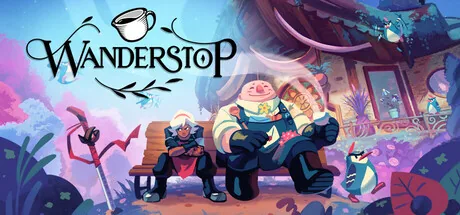
A narrative "cozy" tea-shop game from The Stanley Parable creator's studio that deliberately refuses catharsis in favour of sitting with discomfort — a design choice its own highest-voted review frames precisely as "this is therapy, not catharsis," which a substantial minority of players found genuinely frustrating rather than illuminating, especially a mechanic that wipes everything a player has built at the end of every act.
8 / 10
A gorgeous, brilliantly-made extraction shooter that sold 16 million copies and then spent nine months watching its own community turn hostile — with the developers now matchmaking players by how likely they are to shoot you.
7.5 / 10
Obsidian trades the open world it once pitched for four dense, handcrafted regions of Eora, and the trade mostly pays off — sharp first-person combat and companions with real opinions, wrapped around a plague mystery that resolves faster than it deserves to.
7.5 / 10
A free cat that drums your taskbar every time you press a key — 107,572 reviews at 96.6%, 5.8 million downloads in year one by the developer's own count, and an achievement ladder that climbed to 25 million bongos and broke its own completionists.
7.5 / 10
Digital Sun's brick-by-brick fortress-defense strategy game turns "height equals strength" into a genuinely inventive building puzzle wrapped in striking dark fantasy art -- loved by most for exactly that, while a real minority call its systems shallower than the building toy suggests once the campaign's difficulty and pacing settle in.
7.5 / 10
A genuinely brilliant film-noir comedy adventure with writing and voice work reviewers compare favourably to Chicken Police and Blacksad, held back only by real, specific complaints that there's barely a game underneath the dialogue.
7.5 / 10
A Kickstarter-funded cozy bunny-baker life sim that earned an Overwhelmingly Positive Steam badge and a genuinely tiny, fully-readable negative sample — one whose most substantive complaints, thin post-recipe content and an awkward split-screen co-op mode, echo patterns this outlet has flagged elsewhere without dominating the game's reception the way they have for bigger releases.
7.5 / 10
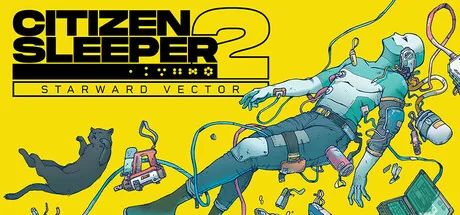
A sci-fi tabletop RPG that expands its predecessor's dice-and-clocks storytelling into a ship-hopping journey across a whole star belt, earning two BAFTA nominations and a Best Narrative award along the way — while a large majority of its own harshest Steam reviewers are the first game's biggest fans, measuring it against a beloved original and finding its punishing new dice system the hardest part to forgive.
7.5 / 10
A NZ$7.39 first-person clicker that spends most of its three-to-six-hour runtime pretending to be a joke about number-go-down before revealing a real escape-room puzzle structure — checked against a 442-review corpus and achievement data showing only about one buyer in nine ever reaches the end.
7.5 / 10
A genuinely ambitious cyberpunk tactics RPG blending XCOM-style squad combat with Shadowrun-flavoured heist design, whose exceptionally hands-on developer earns some of the warmest praise this outlet has documented all year — sitting alongside a real, concentrated complaint from its highest-voted reviewers that its June 2025 "1.0" release still reads like Early Access in disguise.
7.5 / 10
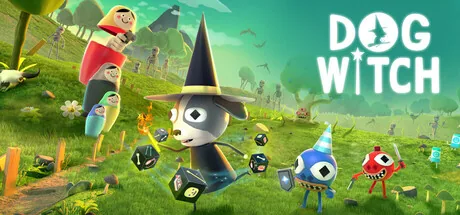
A charming, dice-driven roguelike deckbuilder from solo developer Heckmouse whose fans and critics are arguing over exactly the question this outlet has learned to ask of every randomised builder — does the player get real tools to fight bad luck, or does the game just stay random — with both sides making their case in detail rather than talking past each other.
7.5 / 10
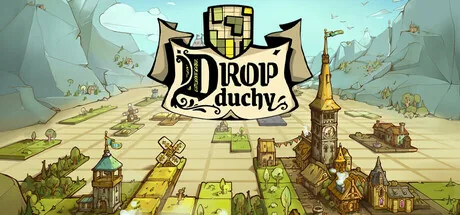
A genuinely inventive Tetris-meets-deckbuilding roguelike whose meta-progression system fits, almost too neatly, the exact design trap this outlet has flagged before in randomised builders — more unlocked content without more ways to steer around it, making runs feel less focused rather than richer the longer a player sticks with it.
7.5 / 10
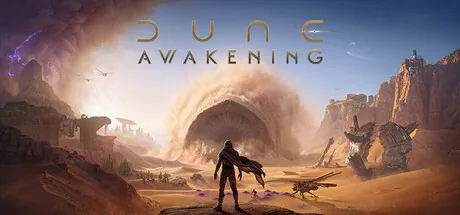
A survival MMO that actually earns its licence — stillsuits, spice addiction and sandworms all function as real systems — held back by an endgame that still leans too hard on forced PvP for players who came for the desert, not the fight.
7.5 / 10
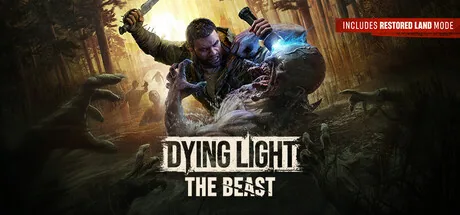
Techland's return to Kyle Crane and the original Dying Light formula, widely, specifically praised as a genuine "return to form" after the divisive Dying Light 2 — backed by an unusually clean, well-optimised launch and an explicit, kept promise to ship without microtransactions — undercut for a real minority of players by parkour-unfriendly map design and a genuine, documented fairness controversy over how a later Definitive Edition treated existing Deluxe Edition owners.
7.5 / 10