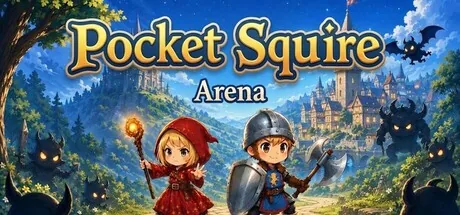
Pocket Squire: Arena
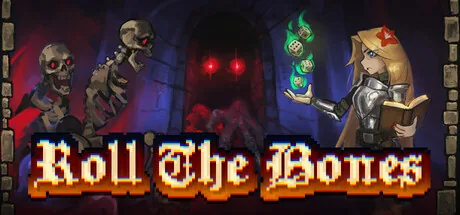
A solo-developed turn-based roguelite where a single squire fights nine battles in a row per arena with no rest between them, so the wound you're carrying into fight seven matters as much as the one you took in fight one.
7 / 10
Browse by year
481 games released in 2026 and reviewed here, best first.
481 reviews
A solo-developed turn-based roguelite where a single squire fights nine battles in a row per arena with no rest between them, so the wound you're carrying into fight seven matters as much as the one you took in fight one.
7 / 10
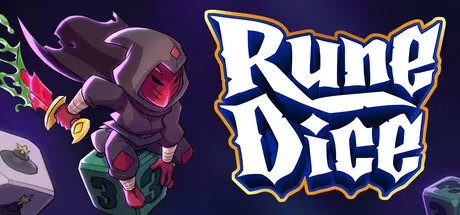
A solo-developed bullet-hell roguelite where every spell comes from a six-sided die — reviewed on its complete 20-review sample, which lands squarely in Enter the Gungeon and Nuclear Throne territory while surfacing one real, repeated onboarding complaint worth knowing about first.
7 / 10
Real chess, played with real rules, where every piece you capture hands you a spell card that can freeze a bishop, rotate a corner of the board, or turn a rook into a decoy king. A tactical roguelite built for players who already know how a knight moves.
7 / 10
A physics-based dice-fusion roguelite that nails its central hook — launching dice across a battlefield to trigger magical merge chains — then shipped with runs so short that the loudest launch complaint was "where's the rest of the game," a criticism the developer answered directly with a free Classic Mode update a month later.
7 / 10
A DVD-logo corner-hit clicker that grows into a three-mode idle RPG — mining, farming and fishing all feed the same currency as the bouncing logo — but it is a windowed Steam game, not an actual screensaver, and its store page never claims to earn a cent while it isn't open.
7 / 10
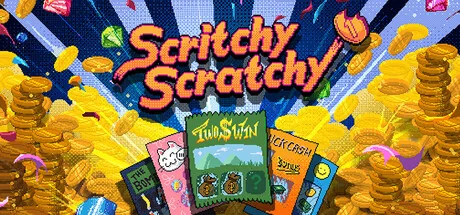
A scratch-card incremental that swaps the usual "buy 10" button for a mouse dragged across a lottery ticket, and turns out to be one of the most purely satisfying opening hours the genre has produced this year — right up until the point where the tickets stop having anything new to say.
7 / 10
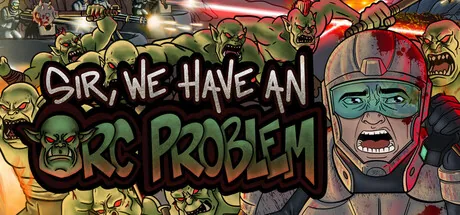
A tower defense game that treats its orc horde as a fluid rather than a queue of sprites, wrapped in a tight play-lose-upgrade loop that runs out of levels well before it runs out of ideas.
7 / 10
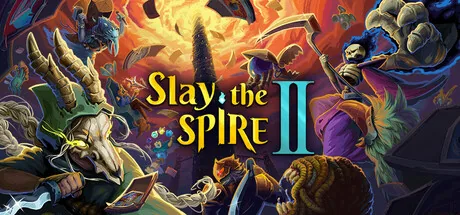
Mega Crit's sequel to one of the most acclaimed deckbuilders ever made adds co-op, two new classes and a rebuilt Ascension ladder, then spends its first five months in Early Access getting hammered by its own veteran players over balance whiplash, a boss nobody could agree on, and a genuine RNG bug a fan had to prove existed.
7 / 10
A roguelite auto-battler where you draft slimes wave by wave, decide which ones hold the line and which roam free, and defend a King who's surrounded on every side rather than tucked behind a lane — a solo debut from Softkeep Studio, reviewed the day after launch.
7 / 10
A pixel-art dungeon crawler where a slot machine decides what's waiting on every floor — enemies, loot and spells all drawn as reel symbols you then have to walk up to and fight, not wager on. Distinctive, generous with content, and rougher around the edges than its 1.0 label suggests.
7 / 10
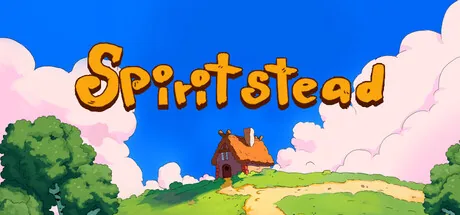
A hand-drawn cozy city builder from debut studio Turbo Dog Games, where growing a village is only half the loop — the other half is coaxing hidden spirits out of hiding by experimenting with weather, timing and item placement, delivered as a four-to-seven-hour campaign priced at €8.54 two days after launch.
7 / 10
A solo developer's genuinely distinctive idle cafe that lives quietly on your taskbar while you work, doubling as a real productivity tool with a built-in Pomodoro timer and task list — warmly reviewed for its ambient jazz and hands-off charm, with minor rough edges around its tutorial and a couple of upgrade-gated features some reviewers feel should be free from the start.
7 / 10
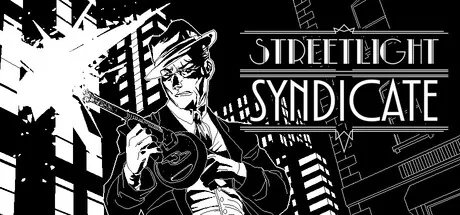
A Prohibition-era mafia idle/incremental with 5,000-plus words of dialogue, ten narrative ascensions and multiple endings — well liked by most of its early players, with a save-wiping bug at the finish line that the developer appears to have patched days after two reviewers independently reported it.
7 / 10
Boltray's "Third Way RPG" genuinely earns its hybrid pitch, blending exploration and auto-battle strategy with idle progression, but its skill-gacha economy and paid-only enhancement currency pull hard once the early zones stop carrying you for free.
7 / 10
A Japanese-mythology roguelike deckbuilder that lets you dial your own difficulty and reward up or down mid-run through a "narration" choice — reviewed on launch day, when its own review corpus is still zero and the only real evidence is a year-old public demo.
7 / 10
A gorgeous HD-2D homage to Zelda-style action-adventure from the Octopath Traveler and Bravely Default team, undercut by a chatty fairy companion, a single overworld recycled across four time periods, and a full price that a meaningful share of its own reviewers say the content doesn't earn.
7 / 10
Read review of The Adventures of Elliot: The Millennium Tales
A first-person melee roguelike built on a custom, hand-written CPU software renderer by a solo developer with a small but devoted following — several of whom address him by name in their reviews and are already asking what he builds next.
7 / 10
Erkberg Games' short incremental about washing ash off a dead planet with a rain-cloud and a skill tree — a review of how far a three-hour, five-dollar cozy game can stretch its one good idea before it runs out of road.
7 / 10
A life-sim RPG about inheriting an empire that is already failing, built on the most detailed consequence machinery the genre has attempted — and undone slightly by how visible that machinery is.
7 / 10
A free, twenty-minute psychological horror vertical slice built around a genuinely unsettling premise — you're trapped inside a mimic that's rebuilding a familiar environment around you to keep you docile before it eats you — with visual ambition well beyond what its tiny indie studio should be able to pull off.
7 / 10
A solo-developed Cold War incremental game that puts assets and agents on a physical command board instead of a spreadsheet, backed by a fully voiced campaign, an original score, and nearly four months of public demo iteration before launch — checked two days after release, with a review sample of three.
7 / 10
A cyberpunk retelling of the Three Kingdoms crossed with a bishoujo gal game, turn-based combat and a bar-management sim — reviewed on its complete, tiny 29-review Day 1 sample, which already contains a real localization complaint and a genuinely detailed combat critique worth reading before the hype settles.
7 / 10
A brand-new semi-idle browser-style MMORPG that wears its RuneScape and Melvor Idle influences openly — guilds, a tabbed skill list, a world map gated by level bands — two days into Early Access and already patching multiple times a day.
7 / 10
A faithful, ambitious remake of the 1993 BBS door game Usurper — text-only dungeon crawling in a persistent world of autonomous NPCs who marry, betray and die whether you're logged in or not — built by a solo developer whose speed wins loud praise, while the game's single most-upvoted review raises real, detailed concerns about development stability.
7 / 10